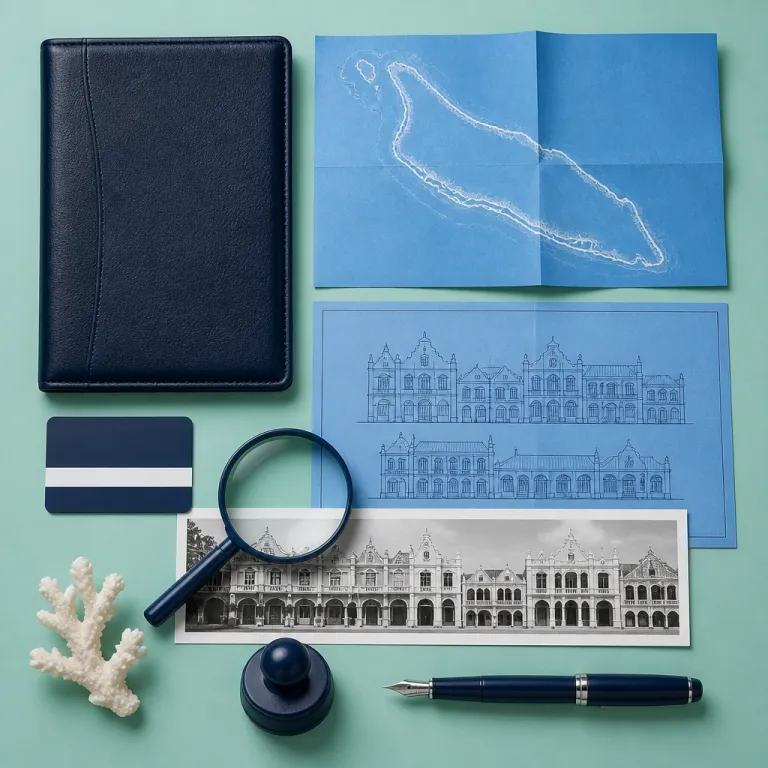
Aruba’s layered past within the Kingdom of the Netherlands
Aruba’s story within the Kingdom of the Netherlands begins long before any Dutch ship appeared on the horizon. On this dry but welcoming island in the southern Caribbean, the Caquetio people from the wider Arawak world fished, traded, and moved between islands and the mainland. Their presence still echoes in place names, archaeological sites, and the quiet sense that this country remembers its Indigenous people even as it hosts modern resorts and compact city hotels.
When Spanish explorers arrived, they folded Aruba into their Caribbean possessions, yet the island’s limited gold and lack of plantations meant a different fate from some neighbouring islands. Later, Dutch settlers took control and integrated the island into the wider Dutch Caribbean, linking it to Curaçao, Bonaire, and other islands in the former Netherlands Antilles. This shift under the Dutch crown brought new trade routes, a different legal framework, and the first layers of what would become a complex relationship between Aruba and the government in The Hague.
Over time, Aruba’s role inside the kingdom’s constitutional structure evolved from a peripheral outpost to a constituent country with its own government and parliament. The island moved from being administered as part of the Netherlands Antilles to holding a distinct status within the Kingdom of the Netherlands, while still sharing a monarch and a court system with the wider realm. For today’s traveller choosing an urban hotel in Oranjestad, this long arc of Aruba–Netherlands relations quietly shapes everything from street names to the mix of languages heard in the lobby and on nearby shopping streets.
From Caquetio roots to Dutch Caribbean crossroads
Long before any Dutch official or Spanish captain claimed authority, the Caquetio people navigated between Aruba, Bonaire, and the Venezuelan coast. These Indigenous communities left shell middens, petroglyphs, and pathways that now lie beneath roads leading to your Oranjestad hotel. When you stand on the waterfront, you are effectively on a corridor that once linked islands, mainland, and sea in a single cultural landscape.
Spanish rule layered Catholic traditions over existing beliefs, while later Dutch rule introduced Protestant influences, creating a society where Catholic and Protestant histories coexist in churches and civic rituals. This blend still shapes Aruban public holidays, festivals, and even the rhythm of weekends in the capital of Oranjestad. The coexistence of these communities also influenced education and social services, which in turn affected how neighbourhoods around the urban hotel district developed, from the streets near Fort Zoutman to the blocks behind the main tram line.
Today, when you read about where Aruba is located and how its position shapes your Oranjestad hotel stay, you are really seeing a condensed version of the island’s constitutional and colonial journey. Aruba’s location between the Latin American mainland and the wider Dutch Caribbean made it a natural hub for international shipping, oil refining, and now tourism. That same crossroads status explains why you will hear Papiamento, Dutch, Spanish, English, and sometimes Portuguese in a single hotel lobby, reflecting centuries of movement between islands, states, and continents.
Autonomy, government, and what they mean for your stay
Aruba is now a constituent country within the Kingdom of the Netherlands, with its own government handling most internal affairs. A governor represents the monarch, while an Aruban prime minister leads the cabinet and works alongside other ministers to manage tourism, infrastructure, and urban planning. This structure matters to hotel guests because stable institutions and clear rules underpin everything from building standards to beach access and the licensing of city-centre accommodation.
Shared kingdom responsibilities such as defence, foreign affairs, and the supreme court system remain anchored in the broader Dutch constitutional framework. Aruba participates in these through the Charter for the Kingdom of the Netherlands, which also covers Curaçao and Sint Maarten as fellow constituent countries. For travellers, this means that while you are on a Caribbean island, you are also under the legal umbrella of the Netherlands–Aruba relationship, which supports reliable contracts, transparent regulations, and predictable safety standards in the hotel sector.
Aruba’s government collaborates with the Dutch government on issues like financial supervision, aviation agreements, and international security, all of which influence flight connectivity and investment in Oranjestad’s urban hotel scene. At the same time, the Aruban parliament and each local minister focus on zoning, heritage protection, and tourism policy that shape where new hotels rise and how they integrate with historic streets. This balance between local autonomy and kingdom oversight is a central theme in the island’s modern history and a quiet guarantee behind your room reservation, whether you stay near the harbour or closer to the main shopping district.
Oranjestad’s urban hotel scene through a historical lens
Oranjestad grew from a modest Dutch garrison town into a colourful Caribbean capital, and its urban hotel scene mirrors that transformation. Early buildings clustered around Fort Zoutman and the harbour, where Dutch merchants, Aruban traders, and sailors from many islands exchanged goods and news. Today, several hotels occupy streets that once stored aloe, phosphate, and later oil-related equipment, turning former warehouses into polished lobbies and boutique-style properties.
The oil boom tied Aruba more closely to the United States and other industrial economies, bringing workers, engineers, and international companies to the island. This period left a legacy of grid-like streets, modest workers’ housing, and a taste for American-style comforts that still influences hotel design and service expectations. When refineries scaled back and tourism rose, many of these urban spaces were reimagined as hotels, restaurants, and shops that now welcome guests from across the international travel market, especially around the main cruise pier and nearby plazas.
Aruba’s shift from heavy industry to tourism is a key chapter in its relationship with the Kingdom of the Netherlands, and Oranjestad’s hotels sit at the centre of that narrative. You will notice Dutch gables painted in Caribbean colours, Aruban art in minimalist lobbies, and menus that move easily between Papiamento and Dutch influences and global cuisine. Each property participates in a living dialogue between island heritage, kingdom connections, and the expectations of guests arriving from the United States, Europe, and Latin America.
Language, law, and culture inside Oranjestad hotels
Step into an Oranjestad hotel and you immediately encounter the linguistic richness that defines this island country. Staff switch gracefully between English, Spanish, Dutch, and Papiamento, reflecting centuries of contact between the Netherlands, the Americas, and other Caribbean islands. This multilingual ease is not a marketing trick but a direct outcome of Aruba’s constitutional position and its role as a regional crossroads.
Legally, Aruba follows a civil law tradition rooted in Dutch codes, adapted to local needs and circumstances. The shared court structure within the Kingdom of the Netherlands ensures that serious cases can ultimately reach a higher bench that also serves Curaçao and Sint Maarten. For hotel guests, this legal architecture translates into clear consumer protections, enforceable contracts, and a predictable environment for international hotel brands and independent Aruban owners alike.
Culturally, the coexistence of Catholic and Protestant communities, Jewish families, and secular residents has fostered a tolerant atmosphere that visitors often feel but cannot immediately name. Holiday calendars, public events, and even conference schedules in urban hotels take into account both Catholic and Protestant observances, as well as local festivals rooted in Indigenous traditions and Dutch carnival customs. This layered cultural calendar gives business travellers and leisure guests a chance to experience the island’s plural identity without leaving the city centre.
Nature, heritage, and the future of Oranjestad’s city stays
Although Oranjestad feels urban, the island’s landscapes and national park system remain close enough to shape hotel experiences. Arikok National Park protects rugged hills, limestone caves, and stretches of coastline that once sheltered Caquetio settlements and later guided Dutch sailors. Many hotels now design packages that combine city comfort with guided excursions into this protected area, linking modern tourism to the earliest chapters of Aruba’s story within the Kingdom of the Netherlands.
Regional ties to Curaçao, Bonaire, and Sint Maarten continue to influence how the Aruban government and each minister think about sustainable tourism and urban planning. Shared challenges such as coastal erosion, cruise traffic, and heritage preservation are discussed at kingdom and international forums, where Dutch officials and Aruban representatives sit alongside colleagues from other islands. Decisions made in these spaces can determine whether future hotels rise upward in compact city blocks or spread outward along the coast.
For travellers, choosing an Oranjestad hotel today means participating in an evolving story that links the Netherlands–Aruba relationship, the wider Dutch Caribbean, and global tourism flows from the United States and beyond. The island’s people are acutely aware that their country’s prosperity depends on balancing economic growth with cultural and environmental stewardship. As one widely cited summary from the Government of Aruba notes, “Aruba became an autonomous country within the Kingdom of the Netherlands in 1986,” a turning point that still shapes how the capital welcomes guests.
Key figures that frame Aruba’s tourism and urban stays
- Aruba’s population is around 112,000 people as of 2023, a scale that allows personalised service in many Oranjestad hotels while still supporting a sophisticated tourism infrastructure (source: Central Bureau of Statistics Aruba, Population by age and sex, 2023).
- Travel and tourism contributed about 84–88 percent of Aruba’s gross domestic product in the early 2020s, which means that government policy, private investment, and even court decisions are often evaluated through their impact on visitors and the hotel sector (source: World Travel & Tourism Council, Economic Impact Reports 2022–2023 for Aruba).
- Arikok National Park covers roughly 20 percent of the island’s territory, placing protected landscapes within easy reach of the urban hotel district and reinforcing the link between city stays and nature-based excursions (source: Arikok National Park management data and Government of Aruba environmental reports, 2023).
- The former Netherlands Antilles structure once grouped Aruba with several other islands, but Aruba’s status as a separate constituent country within the kingdom now allows more targeted tourism and urban planning strategies (source: Government of Aruba constitutional records and the Charter for the Kingdom of the Netherlands, 1986–2010).
FAQ about Aruba, the Kingdom of the Netherlands, and Oranjestad hotels
When did Aruba gain autonomy within the Kingdom of the Netherlands ?
Aruba became an autonomous country within the Kingdom of the Netherlands in 1986. This change ended its administrative inclusion in the Netherlands Antilles and created a direct relationship between Aruba and the kingdom. For hotel guests, this autonomy underpins local control over tourism policy, zoning, and investment incentives that shape Oranjestad’s hotel districts.
Who were the first known inhabitants of Aruba ?
The first known inhabitants were the Caquetio Indians, an Arawak group that moved between the island and the South American mainland. These Indigenous people left archaeological traces that can be explored through the National Archaeological Museum in Oranjestad and guided tours near Arikok National Park. Their legacy forms the earliest layer of Aruba’s history within the Kingdom of the Netherlands that visitors can still encounter.
What is Aruba’s main industry today ?
Tourism is the primary industry, contributing significantly to the economy. The dominance of tourism explains the density and variety of hotels in Oranjestad, from waterfront properties to converted historic buildings and small guesthouses in residential streets. It also drives close cooperation between the Aruban government, Dutch government partners, and international investors.
How does Aruba’s status as a constituent country affect travellers ?
As a constituent country within the Kingdom of the Netherlands, Aruba manages its own internal affairs while sharing defence, foreign policy, and supreme court arrangements with the wider kingdom. Travellers benefit from this through strong legal protections, stable institutions, and reliable air links negotiated at kingdom and international levels. At the same time, local authorities retain the flexibility to tailor tourism regulations to the island’s specific needs.
What role does Oranjestad play in the wider Dutch Caribbean ?
Oranjestad serves as Aruba’s political, economic, and cultural capital, anchoring the island’s role in the Dutch Caribbean network that includes Curaçao and Sint Maarten. The city hosts government offices, the harbour, and most urban hotels, making it the main interface between the island and international visitors. Its development reflects both local priorities and the broader history of Aruba’s place within the Kingdom of the Netherlands across the region.
Sources and further reading
- Aruba.com – official tourism and country information
- World Travel & Tourism Council – 2022–2023 economic impact reports on Aruba
- Government of Aruba – constitutional and historical background on Aruba within the Kingdom of the Netherlands
