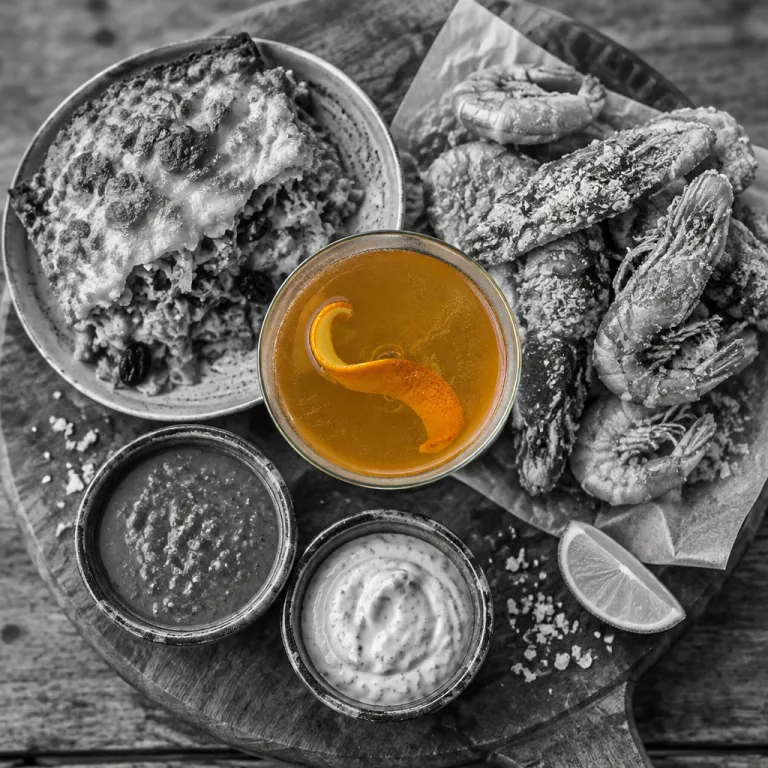
Where aruba local food lives: beyond the resort buffet
On this compact island, aruba local food hides in plain sight. Step away from the polished hotel corridors and you find a dense web of small restaurants where Aruban food shapes daily life, not just special nights. For a long stay, learning where locals eat turns the island from backdrop into neighborhood.
Oranjestad concentrates many of the most characterful restaurants aruba offers, from family run spots serving pan bati and stewed goat to a cafe pouring strong coffee beside a quiet bar. San Nicolas, once a refinery town, now feels like the creative annex of Aruba, with murals, a beach bar or two, and simple places where you can eat local fish within sight of the sea. Between them, these two locations give you the best sense of authentic local rhythm, far from the all inclusive script.
If you are staying near Palm Beach or Eagle Beach, the temptation is to rely on the nearest hotel restaurant for every dinner. That works for one night, but the best Aruba experience comes when you treat the resort as a base and the island as your pantry. Plan your days so that lunch dinner happens where the food is strongest, not where the lobby is closest.
Keshi yena, pan bati and the real Aruban table
Aruba local food begins with a plate of Aruban food that tells its history. Keshi yena, the famous baked cheese shell stuffed with spiced meat or sometimes fish, reflects both Dutch influence and Caribbean thrift. Order it once in a serious aruba restaurant and you understand why locals still call it comfort food.
Pan bati, the griddled corn bread that appears beside many main dishes, is the quiet hero of this cuisine. It soaks up every sauce, from rich beef stoba to hot pepper relish, and makes even a simple piece of fresh fish feel like a full dinner. When restaurants in Aruba take pan bati seriously, you can usually trust the rest of the menu.
Look for older cunucu style houses converted into restaurants aruba wide, especially around Oranjestad’s backstreets, where Aruban food is cooked slowly and served without ceremony. These are the places where you can eat local dishes like goat stew, funchi and fried plantain at a fair price, then walk back to your hotel or a nearby bar under the trade winds. For long stay guests, building a weekly circuit of such local Aruba addresses keeps both budget and curiosity in balance.
For a deeper sense of how nightlife and dining shape each neighborhood, read this guide on how Aruba nightlife and bars influence your hotel choice before you book. It helps you match your preferred dinner scene, from quiet cafe terraces to late beach bar sessions, with the right location on the island. That way, your chosen hotel supports rather than limits your food routine.
The Zeerovers ritual and other everyday favorites
Ask any local where to eat fresh fish and the answer comes fast. Zeerovers, in Savaneta, has become almost shorthand for aruba local food, thanks to its simple formula of just caught fish, sea views and prices that suit repeat visits. You order by weight, watch the fryers work, then eat at rough wooden tables above the water.
Here, the cuisine is stripped back to essentials, which suits the hot Caribbean air perfectly. Fresh fish, fried plantain, fries and a sharp house sauce arrive in baskets, and you season everything with lime while boats move in the small harbor. It is not the best Aruba experience for white tablecloth seekers, but it is arguably the best for anyone who wants to eat local without ceremony.
Balance Zeerovers with one splurge at a more theatrical restaurant, perhaps Flying Fishbone with its tables in the shallows or Screaming Eagle with its polished dining room near Irausquin Blvd. These dinners show another side of restaurants Aruba offers, where wine lists and tasting menus meet the same island ingredients. On quieter days, return to low key cafes, a simple beach bar or a small aruba restaurant in San Nicolas, and let those become your regular things Aruba, as familiar as your morning swim.
When you start thinking about what to bring home from these days, consider edible keepsakes rather than trinkets. This overview of refined island souvenirs explains which sauces, spices and local snacks travel well. A bottle of hot sauce or a packet of pan bati mix can quietly extend your stay once you are back home.
From Aruba Ariba to Balashi: bars, rum and late nights
Every island has a signature drink and Aruba is no exception. The Aruba Ariba, said to have been created at the Hilton on Palm Beach, mixes local rum, fruit liqueurs and juice into a deep red cocktail that tastes like sunset looks. Order one at a relaxed beach bar rather than a rushed hotel bar, and you will taste more nuance than sugar.
Rum culture here is quieter than on some Caribbean neighbors, but it rewards attention. Many bars stock regional rums alongside international labels, and a few restaurants in Aruba now offer short tasting flights that pair well with small plates of Aruban food. Balashi, the local lager brewed on the island, remains the default order at a cafe or casual bar, especially with fried snacks or fresh fish.
For long stay visitors, the trick is to fold these drinks into a sustainable routine rather than a nightly blowout. Alternate evenings at a low key beach bar with nights when you simply pick up takeout from an aruba restaurant and enjoy a cold Balashi on your balcony. If you are planning an elegant day on the water, this guide to sailing a private catamaran in Aruba shows how to match a refined hotel stay with a well stocked cooler and simple local food on board.
Late nights cluster around Palm Beach, where bars, restaurants and clubs line Irausquin Blvd in a bright strip. Oranjestad offers a more measured rhythm, with wine bars, small restaurants and the occasional live music cafe. Choose your hotel location according to which soundtrack you want when you step outside after dinner.
Eating well on a long stay: budgets, diets and hotel choices
For remote workers and long stay guests, the question is not where to eat once. The real question is how to build a sustainable pattern of aruba local food that fits both budget and energy. That is where hotel choice quietly shapes every plate.
If you stay in a self catering apartment near Eagle Beach or in a small complex behind Palm Beach, you can shop at local supermarkets and combine home cooking with regular visits to nearby restaurants. This mix lets you eat local Aruban food several times a week without turning every dinner into a major expense. It also gives you the freedom to seek out specific dishes, from dutch pancakes at a morning cafe to grilled fresh fish at a modest aruba restaurant in the evening.
Those with gluten free needs will find that many restaurants Aruba wide now understand the basics, especially in the hotel zones. Still, you should always ask directly about sauces, breading and shared fryers, particularly at beach bar kitchens where menus are short and hot oil is shared. Long stay visitors quickly learn which local Aruba spots handle gluten free requests with confidence and which are better for a simple drink at the bar.
When you plan your stay, don forget to map your favorite food routines against the island’s layout. A hotel near Irausquin Blvd means easy access to many restaurants and bars but fewer quiet nights, while a place closer to San Nicolas or Savaneta trades convenience for a more authentic local rhythm. In the end, the best Aruba base is the one that lets you walk to dinner more often than you scroll delivery apps.
Mapping the island through its restaurants and cafes
Over time, aruba local food becomes a way to navigate the island. You start to think of beaches, streets and neighborhoods in terms of where you like to eat, drink and linger. That mental map is far more useful than any brochure.
Palm Beach, with its high rise hotels, offers the densest cluster of restaurants Aruba has, from polished dining rooms to casual cafes and bars. Eagle Beach and Druif Beach feel calmer, with fewer but often more relaxed options, including a cafe or two where dutch pancakes share the menu with local dishes. Oranjestad remains the capital of both administration and food, with everything from quick lunch dinner counters to serious Aruban food specialists in restored houses.
Further south, San Nicolas and the road toward Savaneta reveal another layer of local Aruba life. Here, you find small beach bar shacks, simple restaurants serving fresh fish and roadside stands where hot snacks appear at odd hours. These places rarely make lists of the best Aruba restaurants, but they quietly define what it means to eat local on this island.
As you settle into a longer stay, your list of favorite restaurants, bars and cafes becomes a kind of diary. Each location holds a memory, from a first proper Aruba Ariba at a quiet bar to a plate of pan bati eaten with bare feet in the sand. This is the island at its most honest, not the brochure, but the tenth swim before breakfast.
FAQ: eating like a local in Aruba
What are the must try traditional dishes in Aruba ?
The core traditional dishes of Aruba include keshi yena, a baked cheese dish stuffed with spiced meat or sometimes fish, pan bati corn bread, hearty stews known as stoba and a wide range of preparations of fresh fish. You will also see funchi, a cornmeal side similar to polenta, and fried plantain on many plates. Trying these at small local restaurants in Oranjestad, San Nicolas or Savaneta gives the clearest sense of everyday Aruban food.
Where should I stay if I want to focus on local food ?
If your priority is easy access to a wide range of aruba local food, staying near Oranjestad or in the low rise area between Eagle Beach and Druif Beach works well. These locations put you close to both traditional restaurants and more contemporary spots, while still allowing quick trips to Palm Beach or San Nicolas. Guests who choose accommodation further south, near Savaneta or San Nicolas, trade some convenience for a more authentic local rhythm and very fresh fish.
Is it easy to find gluten free options in Aruba restaurants ?
Many restaurants in Aruba, especially in the main hotel zones around Palm Beach and Eagle Beach, now offer at least a few gluten free options. Staff are generally familiar with basic dietary needs, but you should always ask specific questions about sauces, marinades and shared fryers, particularly in casual beach bar kitchens. For longer stays, it helps to identify a few trusted spots early and rotate them through your weekly routine.
How expensive is it to eat out every day in Aruba ?
Eating out for every meal in Aruba, especially in resort restaurants, becomes expensive over a long stay. A more sustainable pattern is to combine supermarket shopping and simple cooking with regular visits to local cafes, casual restaurants and places like Zeerovers, where fresh fish is good value. Choosing accommodation with at least a small kitchen or kitchenette gives you the flexibility to save on some meals and spend more selectively on special dinners.
What is the best way to experience Aruba’s bar and cocktail scene ?
The most rewarding way to experience Aruba’s bar scene is to mix settings and neighborhoods rather than staying in one strip. Try a proper Aruba Ariba at a relaxed beach bar on Palm Beach, sample Balashi beer with fried snacks at a casual cafe in Oranjestad and seek out a quieter wine bar or rum focused bar for a more contemplative drink. Over a longer stay, this variety helps you understand how different parts of the island unwind after dark and which locations suit your preferred pace.