Snorkeling in Aruba from Your Hotel: How to Choose the Best Areas, Tours, and Daily Routine
Why snorkeling in Aruba belongs at the heart of your hotel search
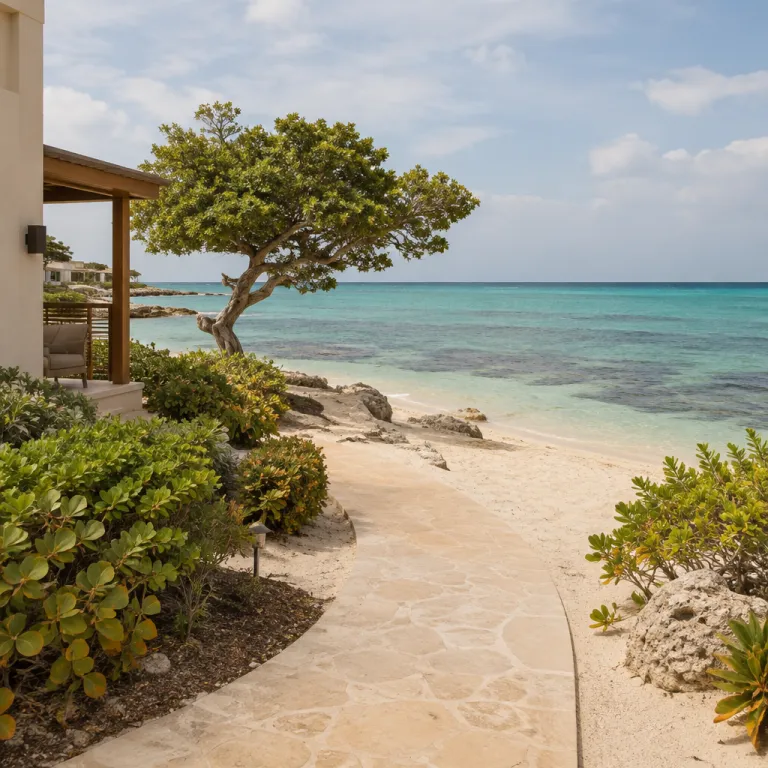
Snorkeling in Aruba is not just an excursion; it shapes where you stay and how you experience Aruba overall. When you choose a hotel on the island’s leeward coast, you place yourself beside clear waters that make every snorkel session feel effortless and refined. This part of the island will reward you with an easy transition from breakfast on the terrace to a swim in crystal clear water within minutes, turning each morning into a private ritual in the Caribbean Sea.
The calm Caribbean Sea on the west and northwest of the island offers some of the best conditions for both snorkeling and introductory scuba experiences. Water temperatures hover around 26 °C and can reach about 29 °C in late summer, so you can plan a one hour snorkel or a longer tour without worrying about getting cold. Visibility often reaches about 25 metres in the morning, which means marine life appears sharply defined and every Aruba snorkeling photo looks like it has been filtered, with reefs, fish, and sea turtles standing out against the clear waters.
For someone ready to book a hotel, the question is how close you want to be to the sea life that makes snorkeling Aruba so compelling. Properties along Palm Beach and near Moomba Beach give you immediate access to semi sheltered bays and easy entries into the water. If you prefer quieter coves, staying closer to Boca Catalina or Arashi on the island’s northwest tip will align your room key with some of the Aruba best shore snorkel spots and give you a more intimate experience Aruba is known for.
Local guides confirm that “Is snorkelling in Aruba good for beginners?” and answer clearly: “Yes, many calm‑sheltered shore spots are suitable for first-timers.” They also advise that “When is best time of day to snorkel?” is answered simply: “Morning, before trade winds pick up (approx 8-11 a.m).” Finally, when guests ask “Will I see turtles?” the response is reassuring: “Often, especially at Tres Trapi, Boca Catalina, Arashi,” where sea life is active and easy to observe from the surface.
Choosing the right hotel area for effortless sea access
Location on the island dictates how naturally snorkeling in Aruba fits into your day and how easily you can reach the best tours Aruba offers. Palm Beach is the classic choice if you want a resort atmosphere, easy access to organised excursions, and the option to step from your lounger straight onto a soft beach. Hotels here sit on a long curve of sand where the Caribbean Sea remains calm, and where you can book both a semi private snorkel tour and a short scuba introduction without leaving the strip.
Moomba Beach, at the northern end of Palm Beach, is a useful reference point when you compare hotels. From here, many operators run an Aruba snorkel cruise that combines shallow reef stops with time over the famous Antilla shipwreck, so staying nearby shortens transfer times and maximises your hour in the water. If you are planning your first underwater trip and want to understand how snorkeling and scuba can complement each other, read this guide to Aruba scuba diving for beginners before you book.
Further north, hotels near Malmok and Boca Catalina place you closer to some of the island’s most rewarding shore entries. Here, snorkeling Aruba means walking down limestone steps, slipping into clear waters, and meeting marine life within a few fin kicks of the rocks. If you prefer a quieter trip with less background music and more sea life, this coastline often feels like the best compromise between access and tranquillity, especially for guests who value a more private, low‑key beach routine.
On the south coast, properties near Mangel Halto or Baby Beach suit guests who want shallow lagoons and long, relaxed snorkel sessions. The water here is usually calm, and the semi enclosed bays make it easier for less confident swimmers to learn how to use snorkel gear properly. When you compare hotels, skip content that focuses only on room décor and instead look for details about distance to these beaches, on site water sports desks, and whether they can arrange private or small group tours for a more tailored experience Aruba style.
From your room to the reef: how to plan daily snorkel routines
Once you have chosen your hotel, the rhythm of snorkeling in Aruba becomes part of your daily routine. Aim to be in the water between 8 and 11 a.m, when winds are lighter and visibility is at its best. This timing lets you enjoy the clear waters before the main tours Aruba operators run arrive at the most popular sites, and it keeps your energy high for the rest of the day.
At Palm Beach and Moomba Beach, you can start with a gentle shore snorkel to warm up, then join a late morning Aruba snorkel cruise if you want to reach deeper reefs or the Antilla wreck. Many guests prefer to keep one hour for a relaxed swim close to the beach, then reserve a second hour for a guided tour that explains local marine life and safe practices. If you like structure, ask your hotel concierge to help you book a sequence of semi private outings across several days so that each trip focuses on a different part of the island and a slightly different style of snorkeling Aruba can offer.
On the northwest coast, a typical day might begin with a short drive or walk from your hotel to Boca Catalina. Here, snorkeling Aruba means slipping into crystal clear water where green and hawksbill sea turtles graze on seagrass and colourful fish move along the reef. For a detailed breakdown of which coves pair best with specific hotel zones, consult this resource on the best shore snorkeling in Aruba matched to where you stay before finalising your reservation.
South coast hotels near Baby Beach or Mangel Halto allow you to plan longer, slower sessions in shallow lagoons. Here, you can learn to snorkel at your own pace, adjusting your mask and snorkel gear while still able to stand in the water. When you feel confident, you can extend your trip out towards the reef edge, where sea life becomes more varied and the sense of immersion in the Caribbean Sea deepens with every fin kick.
Boat tours, jolly pirates, and semi private cruises from major beaches
For many guests, the highlight of snorkeling in Aruba is a day spent on the water with a dedicated crew. From Palm Beach and Moomba Beach, classic sailing vessels and modern catamarans depart throughout the morning and early afternoon. Among them, the Jolly Pirates cruises are particularly well known, combining relaxed sailing, rope swings, and multiple Aruba snorkeling stops into a single, memorable tour that feels both playful and well organised.
When you evaluate tours Aruba offers, pay attention to group size, duration, and the balance between snorkel time and sailing. A semi private cruise with fewer guests often means more guidance from the crew, better chances to learn about local marine life, and more space to adjust your snorkel gear without feeling rushed. If you are travelling with family or friends, consider whether a fully private charter aligns with your budget and expectations for privacy on the open sea, especially if you want a quieter deck and more flexible schedule.
Most reputable operators include high quality masks, fins, and snorkels in the price, but serious enthusiasts sometimes prefer to bring their own equipment. Ask your hotel’s water sports desk which tour companies they work with regularly, and whether those partners emphasise reef safe sunscreen, respectful interactions with sea life, and clear safety briefings. A well run Aruba snorkel cruise should leave you feeling that every hour on the Caribbean Sea was used wisely, with enough time in the clear waters at each stop to explore at your own pace.
Many boats visit a combination of shallow reefs and the Antilla wreck, giving you a contrast between coral gardens and a dramatic ship silhouette. On these outings, snorkeling Aruba becomes a layered experience Aruba will imprint in your memory, from the sound of the hull cutting through the water to the quiet moments floating above schools of fish. If you prefer shorter commitments, look for tours that offer a two hour itinerary, which fits easily between breakfast and an afternoon by the hotel pool or a stroll along the beach.
Family friendly marine adventures and hotel amenities that matter
Families planning snorkeling in Aruba need hotels that support both water confidence and downtime. Look for properties with calm beachfronts, shaded areas close to the sea, and pools where children can practise using snorkel gear before heading into the Caribbean Sea. When a hotel offers on site water sports staff, it becomes easier to arrange a short, supervised snorkel tour tailored to younger swimmers and to choose the best time of day for their comfort.
Many resorts along Palm Beach and Eagle Beach now coordinate with local guides who specialise in teaching beginners. These instructors help guests learn how to clear a snorkel, adjust a mask, and move calmly through the water without disturbing marine life. For a full week that balances calm beaches, kids’ clubs, and adult relaxation between snorkel sessions, review this itinerary for an Aruba family week that works before you book.
When you compare hotels online, skip content that focuses only on room décor and instead look for details about beach access and sea conditions. Ask whether the property provides complimentary snorkel gear, or if you should rent from a nearby shop for the duration of your trip. Clarify how long it takes to reach key sites like Boca Catalina, Tres Trapi, or Baby Beach, because shorter transfers mean more time in the clear waters and less time in vehicles, which is especially valuable with children.
Parents often appreciate semi private or private tours, where the crew can adapt the pace to children’s comfort levels. On these outings, snorkeling Aruba becomes a shared family experience, with guides pointing out turtles, eagle rays, and colourful fish while keeping everyone close to the boat. Back at the hotel, facilities such as rinse stations, shaded loungers, and late checkout options extend the pleasure of each hour spent in the sea and make the overall trip feel smoother.
Safety, etiquette, and practical details every hotel guest should know
Safe snorkeling in Aruba begins with timing and conditions, even when you stay at a beachfront hotel. Aim for morning sessions when winds are lighter, and always check with the front desk or water sports desk about current sea state. If the northwest coast is experiencing a north swell, consider shifting your snorkel plans to more sheltered areas on the south or leeward side of the island so that your tour remains comfortable.
Respect for marine life is central to a high quality Aruba snorkeling experience. Green and hawksbill sea turtles graze in seagrass near shore, and eagle rays patrol waters at Malmok and Mangel Halto, so give them space and never attempt to touch or chase them. Use only reef safe sunscreen, avoid standing on coral, and keep your fins away from fragile structures to ensure that sea life remains healthy for future guests and that the island’s reefs continue to rank among the Aruba best natural attractions.
From a practical standpoint, pack or rent well fitting snorkel gear, including a mask, snorkel, and fins, plus water shoes for rocky entries at places like Boca Catalina. Many hotels can arrange a snorkel vest if you want extra buoyancy, which is especially helpful on longer tour days when you may spend more than an hour in the water. Before you book any cruise or tour, read the operator’s terms carefully, including their privacy policy and cancellation rules, so you understand how your personal data are handled and what happens if sea conditions change.
Finally, remember that snorkeling Aruba is flexible enough to suit both first timers and confident swimmers. Shore accessible reefs mean you do not need scuba certification to enjoy some of the Aruba best underwater scenery, and you can build your confidence gradually from the beach. With thoughtful planning, your hotel becomes the base for a series of refined, low stress marine adventures that showcase the island at its most authentic and make every hour in the water feel well spent.
Key figures for planning your Aruba snorkeling stay
- Typical water temperature around Aruba is about 26 °C, rising to roughly 29 °C in late summer, which allows comfortable one to two hour snorkel sessions without a wetsuit for most guests (Aruba Tourism Authority, climate summaries).
- Under good conditions, visibility at popular sites such as Malmok and Boca Catalina reaches approximately 25 metres in the morning, giving exceptionally clear views of marine life and reef structures (reports from local dive and snorkel operators).
- The most reliable window for calm water and low wind is usually between 8 and 11 a.m, so planning your main snorkel tour during this period significantly improves comfort and safety (recommendations from experienced Aruba guides).
- Aruba’s leeward west and northwest coasts host the majority of shore accessible snorkel spots, reducing the need for long boat rides and making daily outings easier from hotels in these zones (regional coastal surveys and tourism mapping).
FAQ about snorkeling in Aruba from hotel guests
Is snorkeling in Aruba suitable for complete beginners staying at resorts ?
Yes, many of Aruba’s leeward beaches offer calm, shallow water that suits first time snorkelers. Resorts along Palm Beach, Eagle Beach, and near Baby Beach often work with local guides who specialise in teaching basic snorkel skills. With morning sessions and proper gear, beginners can feel comfortable within a single hour in the sea and start to enjoy the full snorkeling Aruba experience.
When is the best time of day to snorkel from my hotel beach ?
The most favourable time is usually between 8 and 11 a.m, before the trade winds strengthen. During these hours, the Caribbean Sea around Aruba tends to be calmer, and underwater visibility is at its peak. Planning your main snorkel or tour in this window makes the experience more relaxed and less tiring, whether you join a cruise or stay close to shore.
Which hotel areas are closest to the best shore snorkeling spots ?
Hotels near Palm Beach and Moomba Beach provide easy access to boat tours and gentle shore entries, while properties closer to Malmok, Tres Trapi, and Boca Catalina sit beside some of the island’s finest reefs. On the south coast, stays near Mangel Halto or Baby Beach place you beside shallow lagoons ideal for long, easy swims. Choosing among these areas depends on whether you prioritise lively resort settings, quick access to tours Aruba offers, or quieter coves with a more private feel.
Do I need to bring my own snorkel gear, or will my hotel provide it ?
Many larger resorts either lend basic snorkel gear or connect you with on site rental desks, which is convenient for short sessions. However, frequent snorkelers often prefer to bring their own masks and snorkels for better fit and hygiene, then rent fins locally if needed. If gear quality matters to you, ask your hotel in advance about brands, availability, and any associated costs so you can plan your Aruba snorkel days confidently.
Can I see turtles and rays without joining a boat tour ?
Yes, sea turtles are often seen from shore at places like Tres Trapi, Boca Catalina, and Arashi, while eagle rays sometimes glide past at Malmok and Mangel Halto. Staying in hotels within a short drive of these beaches makes it easy to plan early morning visits before crowds arrive. Boat tours still add value by reaching more distant reefs, but shore snorkeling alone can deliver memorable wildlife encounters and a rich sense of connection with the island’s marine life.
References
- Aruba Tourism Authority – official visitor information and marine conditions.
- NOAA (National Oceanic and Atmospheric Administration) – Caribbean Sea climate and water temperature data.
- PADI (Professional Association of Diving Instructors) – global snorkeling and scuba safety guidelines.