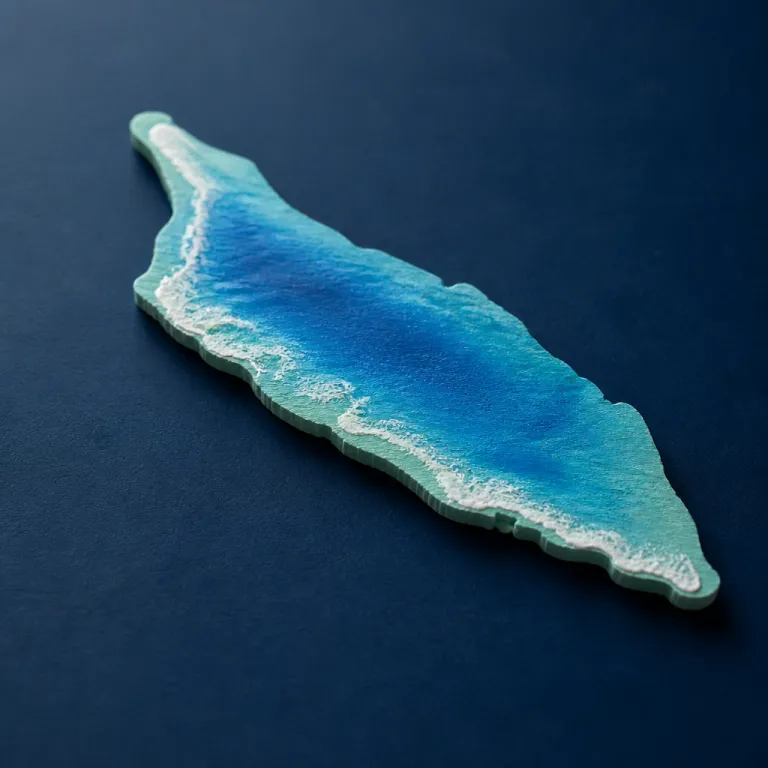
Choosing the right area in Aruba for your hotel stay
When you start comparing hotel options in Aruba, the first decision is location. The island may look small on a map, yet each coastline offers very different activities and atmospheres for every type of traveller. Choose where you stay with care, because your beach access, dining scene, and transport time to the national park will all flow from this first choice.
The Palm Beach strip concentrates many large Aruba resort properties, such as Hilton Aruba Caribbean Resort & Casino and Hyatt Regency Aruba, so you can walk from your room straight onto soft sand beaches and into calm Caribbean water. This area suits guests who want a lively day and night, with bars, shopping malls, and easy access to organised tour departures that reach De Palm Island, the private flamingo island at Renaissance Wind Creek Aruba Resort, and the famous California Lighthouse. If you prefer quieter activities Aruba can offer, such as long walks at sunrise, then Eagle Beach and the low rise zone around Amsterdam Manor Beach Resort create a gentler rhythm with fewer crowds and wider sand.
Oranjestad, the capital, works well for travellers who value culture, street art, and local food more than being directly on a beach Aruba shoreline. From here you can reach San Nicolas, the island’s creative hub, in around 30 to 40 minutes by car and still plan a day trip to Arikok National Park or Baby Beach without stress. Wherever you finally book, check how long it takes to visit key sites like Alto Vista Chapel, the rock formations inland, and the national park, because time spent in traffic is time not spent in the Caribbean Sea.
Signature beaches and coastal highlights near your hotel
Many travellers choose their hotel in Aruba based on a single photograph of turquoise water and white sand. To make the most of the best things to do on the island, it pays to understand how each of the main beaches feels in real life. That way you can match your preferred coastal atmosphere to the right property and avoid surprises when you arrive on the island.
Palm Beach is lined with high rise Aruba resort towers, water sports kiosks, and piers where you can join a sunset tour or a half day snorkelling cruise. The water here stays calm most of the time, which suits families and first time swimmers who want easy access to activities like Sea Trek helmet walks offered from nearby De Palm Island. Eagle Beach, by contrast, stretches wider with fewer buildings, so guests at places such as Amsterdam Manor step onto quieter sand beaches that feel more spacious and relaxed.
On the southern side of the island, Baby Beach curves around a shallow lagoon where the water remains warm and gentle, making it one of the best spots for a long, lazy day in the Caribbean sun. Close by, San Nicolas adds colour with street art murals that turn a simple beach visit into a cultural outing, especially if you combine swimming with a walk through town. If you want a more exclusive setting, some hotels can arrange day access to the flamingo island near Oranjestad, where resident birds share the shore with guests and create one of the most photographed experiences Aruba offers.
Arikok National Park, rock formations, and wild island landscapes
Beyond the resort areas, Arikok National Park protects nearly one fifth of Aruba and reveals a very different face of the island. Many visitors focus only on beaches, yet some of the most memorable things to do in Aruba happen among cacti, cliffs, and wind carved rock formations. Plan at least one day here, because the distances inside the park and the rough tracks make quick visits unrealistic.
Arikok National Park offers marked trails that lead to caves, natural pools, and viewpoints where you can look back across the island to the Caribbean water. The national park is also where you will find dramatic rock formations shaped by centuries of trade winds, which contrast sharply with the soft sand beaches near your hotel in Aruba. To explore safely, wear closed shoes, carry plenty of water, and consider joining a guided tour with a local operator such as Fofoti Tours or De Palm Tours, whose names and services are listed by the Aruba Tourism Authority and who understand the terrain well and can time stops for the cooler parts of the day.
On your way to or from Arikok, include a stop at the Alto Vista Chapel, which stands on a hill with wide views and a quiet, reflective atmosphere. Many tours combine Alto Vista, the California Lighthouse, and the rugged northern coast, so you can see how the island shifts from calm beach Aruba scenes to wild, wave battered cliffs. This contrast between polished resort zones and the raw national landscape is one of the things Aruba does best, giving you a fuller sense of place during your visit.
Watersports, Sea Trek, and marine adventures from your resort
For travellers who love the ocean, the most exciting things to do in Aruba often begin right on the sand in front of their Aruba resort. Calm Caribbean water and steady trade winds create ideal conditions for a wide range of activities, from stand up paddling to kitesurfing and sailing. When you choose a hotel Aruba property, check which water sports partners they work with and how easily you can book a lesson or a guided tour.
Many operators along Palm Beach and Eagle Beach offer snorkelling trips to shallow reefs where you can find colourful fish within minutes of leaving shore. Some excursions include a stop at De Palm Island, where the Sea Trek underwater helmet walk allows non divers to follow a guided path on the sea floor while breathing normally through an air line. This Sea Trek experience, often combined with slides and family facilities on De Palm Island, ranks among the best things Aruba offers for guests who want something more memorable than a standard swim.
Divers and strong swimmers can look for tours that reach deeper wrecks and reefs, while beginners may prefer a half day outing that mixes snorkelling with time to relax on deck. If you are travelling with children, Baby Beach provides a sheltered lagoon where they can play safely in shallow water for much of the day. Always respect local advice about currents and weather, stay hydrated under the Caribbean sun, and remember that the Aruba Tourism Authority recommends simple precautions such as sunscreen and regular water breaks for a safe visit.
Culture, street art, and day trips beyond the sand
While the beaches draw most visitors, some of the most rewarding things to do in Aruba unfold away from the shoreline. Oranjestad and San Nicolas offer a different rhythm, with museums, markets, and street art that reveal the island’s layered history. Choosing a hotel Aruba base with easy access to these areas lets you balance lazy beach days with richer cultural experiences.
San Nicolas, once a refinery town, has reinvented itself as an open air gallery where street art murals cover entire building facades. Guided walks here explain the stories behind the paintings and show how local and international artists interpret island life, Caribbean identity, and the surrounding sea and sand beaches. Combine this with a swim at nearby Baby Beach and you transform a simple day trip into a blend of art, water, and relaxed coastal time.
Back in Oranjestad, you can visit small museums, browse local crafts, and sample Aruban dishes in restaurants that cater to both residents and visitors. From the harbour area, some operators run short tour options that include the California Lighthouse, Alto Vista Chapel, and viewpoints over the beach Aruba coastline. If you are curious about the wider region, you will also find information desks that explain how Aruba connects with neighbouring islands such as Bonaire and Curaçao, which share similar Caribbean water yet offer different styles of travel.
Planning your days, transport, and regional connections
To enjoy the full range of things to do in Aruba, plan your days around both weather and distance. The island enjoys warm conditions year round, and the Aruba Tourism Authority notes that “Aruba enjoys a warm climate year-round; however, April to August offers fewer crowds.” Early morning and late afternoon usually work best for active time in the national park or in town, while the middle of the day suits relaxed hours on beaches.
Many visitors rely on taxis and organised tour buses, yet renting a car for at least one day gives you more freedom to reach Arikok National Park, Alto Vista, and remote rock formations at your own pace. When you drive, you can stop at viewpoints above Palm Beach, Eagle Beach, and other sand beaches, then continue north to the California Lighthouse for wide Caribbean water views. If you prefer not to drive, choose an Aruba resort that partners with reliable operators so you can still visit De Palm Island, the flamingo island, and key inland sites without stress.
Aruba also serves as a convenient jumping point for travellers interested in combining islands such as Bonaire and Curaçao within one longer Caribbean journey. Some guests spend most of their time on a beach Aruba property, then add a short regional hop for diving or nature focused stays elsewhere. Whatever your plan, book flexible arrangements, stay hydrated in the sun, and allow at least one unscheduled day to simply walk the shoreline, listen to the water, and appreciate how well this island balances comfort with natural beauty.
Key figures and practical statistics for your Aruba stay
- Aruba welcomed about 1.98 million visitors in 2023, according to the Aruba Tourism Authority’s published tourism statistics, which means booking your preferred hotel Aruba early is wise during peak holiday periods.
- The island’s tourism board promotes eco tourism, cultural tourism, and adventure tourism, so you can expect a broad mix of tours ranging from Arikok National Park hikes to street art walks in San Nicolas.
- Arikok National Park covers roughly one fifth of the island’s surface, giving you extensive space for hiking, viewing rock formations, and exploring wild Caribbean coastlines in a single day.
- Travel is possible in every month of the year, with official information describing the season as running from January to December, which supports flexible planning for things to do in Aruba.
FAQ about things to do in Aruba and hotel planning
What is the best time to visit Aruba for beach activities ?
Aruba offers warm weather throughout the year, so you can enjoy beach Aruba experiences in any month. Trade winds keep the air comfortable, and sea temperatures stay pleasant for swimming and water sports. For slightly fewer crowds on popular beaches such as Palm Beach and Eagle Beach, many travellers choose the period from April to August.
Is Aruba safe for tourists staying in resorts and exploring the island ?
Aruba is widely regarded as one of the safest Caribbean destinations for visitors. Major Aruba resort areas, national park entrances, and popular sites like the California Lighthouse are regularly patrolled and well signposted. Normal travel precautions still apply, such as safeguarding valuables and using licensed taxis or recognised tour operators.
Do I need a visa to visit Aruba for a holiday ?
Visa requirements for Aruba depend on your nationality and the passport you hold. Some travellers can enter visa free for short stays, while others must apply in advance through consular channels. Always confirm the latest rules with the Aruba Tourism Authority or your local embassy before booking flights and hotels.
How many days should I plan to experience key things to do in Aruba ?
A stay of five to seven days allows enough time to enjoy several beaches, visit Arikok National Park, and explore cultural areas such as Oranjestad and San Nicolas. With this duration you can dedicate at least one full day to the national park and another to marine activities like Sea Trek or snorkelling tours. Shorter trips are possible, but you may need to prioritise either beach relaxation or inland exploration.
Is renting a car necessary to reach Arikok National Park and Baby Beach ?
Renting a car gives you maximum flexibility to reach Arikok National Park, Baby Beach, Alto Vista, and other dispersed sites in a single day. However, many visitors rely on guided tours and shuttle services arranged through their hotel Aruba, which remove the need to navigate unfamiliar roads. If you prefer independent travel and frequent stops at viewpoints or rock formations, a rental car will serve you well.
