What is the legal drinking age in Aruba for hotel guests ?
On the island of Aruba, the legal drinking age for purchasing and consuming alcohol in bars, restaurants, and hotels is 18 years. This minimum age applies to beer, wine, and spirits, so guests who plan on drinking alcohol at their resort or nearby venues must ensure they or their companions meet this requirement. When you ask what is the legal drinking age in Aruba, you are really asking how the government balances tourism, safety, and local customs in a small but busy destination.
Hotel staff are trained to check identification, and they may refuse to serve a drink if they suspect a guest is under the legal age. These rules are not only about alcohol consumption; they are also about protecting young visitors and maintaining a responsible image for Aruba tourism in key international markets. If you are traveling with teenagers close to the drinking age, clarify in advance how your hotel interprets the laws Aruba enforces on property and what documentation they accept as proof of age.
While Aruba alcohol regulations are relatively relaxed compared with some countries, drinking alcohol in public spaces can still be restricted depending on the area. The government expects visitors to respect local rules and to avoid obvious drinking driving risks after enjoying wine, spirits, or cocktails. Responsible drinking Aruba wide is part of the island’s hospitality culture, and hotels will often share guidance on alcohol Aruba policies during check in, especially for groups or special events.
Hotel bars, nightlife, and how Aruba drinking laws shape your stay
Resort bars in Aruba are central to the island’s nightlife, and they operate under clear legal drinking standards. Every licensed venue must follow Aruba legal requirements on serving age, which means bartenders will not serve alcoholic beverages to anyone under 18, even if their home country allows a lower drinking age. This consistency helps maintain safety in busy hotel bars where international guests mix freely and expectations might otherwise differ.
When you explore the Palm Beach strip or Oranjestad’s harborfront, you will notice that many bars promote happy hours and rum based cocktails tailored to tourism. Behind the scenes, however, managers pay close attention to drinking driving concerns and train staff not to overserve guests who might later drive rental cars. One hotel bartender described it simply: “We want you to remember the sunset, not the ride home,” a reminder that drink drive is never an acceptable combination, so arrange taxis or use hotel shuttles after an evening of drinking alcohol or sampling local wine spirits.
For a deeper look at how nightlife and bars influence where you stay, review this detailed resource on how Aruba nightlife and bars shape your hotel choice. It explains how Aruba tourism operators design venues that respect local customs while still offering vibrant entertainment. As you compare properties, ask each hotel how they manage alcohol consumption, what legal responsibilities they assume, and whether any areas are restricted to guests above a certain age.
Local food, rum tastings, and pairing experiences near your hotel
Many travelers researching what is the legal drinking age in Aruba are also planning evenings of local food and rum tastings. On this island, hotels often collaborate with nearby restaurants and distilleries to offer curated menus where traditional dishes are paired with Aruba alcohol such as local rums or regional wine spirits. These experiences are designed for guests above the legal age, so staff will verify identification before serving alcoholic beverages, especially during hosted tastings or chef’s table events.
In Oranjestad and along Eagle Beach, you will find tasting rooms that highlight the nuances of alcohol Aruba producers create, from spiced rums to liqueurs infused with island fruits. Tastings usually emphasize safety and moderate alcohol consumption, encouraging guests to savor each drink rather than rush, and to avoid any drinking driving afterwards. One local guide likes to tell guests, “Taste like a connoisseur, not like you are racing the sunset,” a phrase that captures the relaxed but responsible drinking Aruba style many residents prefer.
To plan where to eat near your accommodation, consult this practical overview of Aruba local food options close to your hotel. It will help you share memorable meals that respect local customs and highlight how legal drinking rules intersect with gastronomy. When you know the legal age and understand what legal responsibilities venues carry, you can relax and enjoy both food and beverages with confidence.
Public spaces, beach bars, and alcohol safety on the island
Aruba’s beaches are famous, and many visitors want to enjoy a drink with their toes in the sand. While beach bars operate under the same legal drinking age as hotels, drinking alcohol in open public areas away from licensed venues can be restricted depending on local ordinances. To avoid issues, always purchase beverages from authorized bars and follow any posted rules about alcohol consumption on the beach or in nearby parks.
Some stretches of coastline have roaming vendors, but not all are licensed to sell alcoholic beverages under laws Aruba enforces for tourism safety. Choosing established bars ensures that your drink Aruba experience respects government regulations and that staff are trained to manage drinking age checks and potential drinking driving risks. When in doubt about what legal limits apply in a specific area, ask your hotel concierge or a bar manager for clarification so you do not accidentally violate local rules.
Families often ask whether teenagers can share a small drink at a beach restaurant if parents are present. The answer depends on how strictly each venue interprets the legal age Aruba regulations, but most reputable places will follow the formal drinking age without exceptions. To keep your stay smooth, agree on clear family rules about alcohol Aruba wide before you arrive and remind younger travelers that some spaces, such as late night beach clubs, may be restricted to adults only.
Driving, excursions, and how drinking rules affect your itinerary
Car rentals are popular in Aruba, so understanding the relationship between drinking and driving is essential for hotel guests. The government enforces a legal blood alcohol concentration (BAC) limit for drivers of 0.05% (0.5 g/L), and penalties for drinking driving can include fines, license suspension, or even detention. If you plan to explore the island by car, separate your days for sightseeing from evenings when you intend to drink Aruba style cocktails or wine spirits so you stay well below this threshold.
Many hotels and tour operators offer transfers for evening excursions, which helps guests avoid any temptation to drink drive after visiting bars or rum tastings. When booking activities, ask whether transportation is included and how long alcohol consumption is expected to continue, especially for sunset cruises or dinner shows. Responsible operators will share clear safety guidelines and remind guests of the legal drinking framework that applies once they return to public roads, often referring to information published by the Aruba Police Force and the Government of Aruba.
For daytime adventures such as snorkeling, off road tours, or sailing, avoid drinking alcohol beforehand so you remain alert and hydrated in the tropical climate. If you are comparing hotels, resources like this analysis of how Aruba snorkeling tour reviews help you choose the right hotel can highlight properties that prioritize guest safety. These hotels tend to communicate clearly about age Aruba regulations, legal drinking expectations, and how their teams manage alcohol related risks on excursions.
Hotel policies, all inclusive stays, and managing alcohol responsibly
All inclusive resorts in Aruba often feature unlimited beverages, which makes clarity about the legal drinking age even more important. Even when drinks appear free flowing, staff must still respect the legal age Aruba sets and may limit service to guests who seem intoxicated. When you check in, review the hotel’s written rules on alcohol consumption, including whether minibars are stocked in rooms occupied by younger guests and how they handle room service orders that include alcohol.
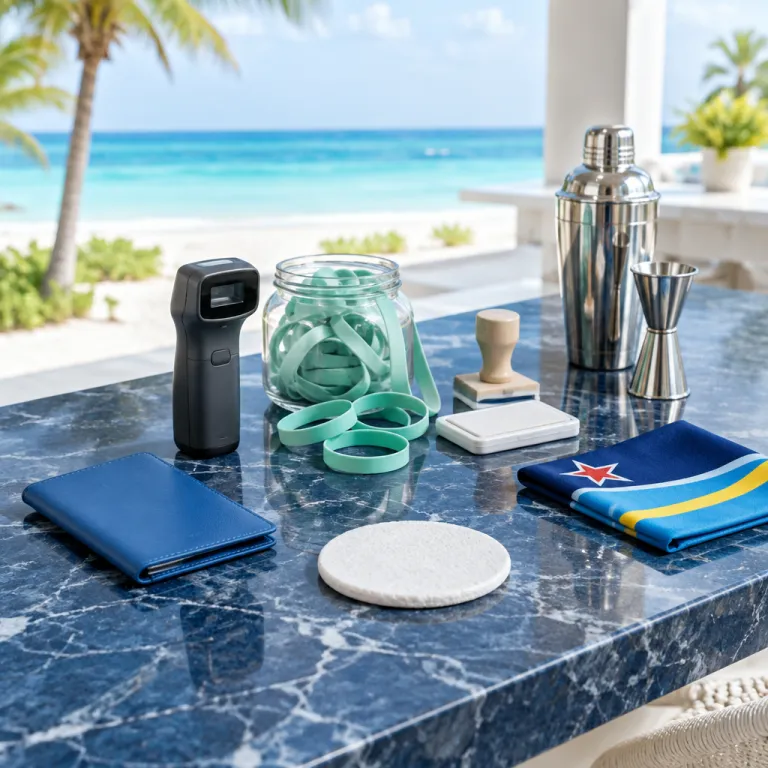
Some properties introduce wristbands or card systems that encode age information, helping bars quickly verify who can order alcoholic beverages. This approach supports both safety and efficiency, especially during busy poolside service when many guests are drinking Aruba themed cocktails. If you are traveling with a mixed age group, ask whether underage guests receive different wristbands so there is no confusion about what legal rights they have at the bar or during evening entertainment.
Responsible hotels also train staff to recognize signs of excessive alcohol consumption and to intervene discreetly when necessary. They may share educational materials about drinking alcohol in a hot climate, reminding guests to alternate beverages with water and to avoid drinking driving after leaving the property. When you evaluate reviews, look for comments about how well the hotel balances a lively atmosphere with respect for laws Aruba enforces and for guest wellbeing, since this often reflects strong internal training and clear policies.
Cultural customs, social etiquette, and how age shapes drinking experiences
Understanding local customs around alcohol helps you engage more respectfully with Aruban hosts. While the island welcomes tourism and offers many opportunities for legal drinking, social etiquette still values moderation, politeness, and awareness of the legal age. Loud or disruptive behavior linked to drinking alcohol is frowned upon, especially in family oriented resorts and residential neighborhoods where many hotel workers also live.
When sharing a drink with locals, you may notice that people often pace themselves and pair alcoholic beverages with food, which naturally moderates alcohol consumption. This habit aligns with broader safety expectations and reduces the likelihood of drinking driving incidents after social gatherings. Visitors who match this rhythm tend to enjoy more authentic connections and a deeper appreciation of how drinking Aruba style fits into daily life, from casual beach bar meetups to weekend family barbecues.
As you plan your stay, remember that what is the legal drinking age in Aruba is only one part of a wider framework of laws Aruba maintains to protect residents and visitors. Respecting both the letter of the law and the spirit of local customs will make your time on the island more relaxed and rewarding. Whether you are toasting a sunset or sampling rum during a tasting, let the legal framework guide your choices so every drink enhances rather than restricts your experience.
Key figures on alcohol and safety in Aruba
- Aruba’s legal drinking age is 18 years for purchasing and consuming alcohol in licensed venues, which aligns with many European destinations and supports consistent expectations for international visitors.
- The legal blood alcohol concentration limit for drivers in Aruba is 0.05% (0.5 g/L), according to guidance shared by the Government of Aruba and the Aruba Police Force, and enforcement focuses on reducing road accidents linked to alcohol consumption.
- Caribbean tourism boards, including Aruba tourism authorities, regularly emphasize responsible drinking in public campaigns to protect both visitors and residents and to maintain the island’s reputation as a safe destination.
- Many major hotel brands operating in Aruba apply global corporate policies on alcohol service, which typically require staff training on age verification and intervention techniques to manage excessive drinking.
FAQ about the legal drinking age in Aruba
What is the legal drinking age in Aruba for hotel bars ?
The legal drinking age in Aruba is 18 years, and this applies to all hotel bars, restaurants, and licensed venues. Staff will usually request a passport or government issued ID if a guest appears close to that age. Hotels are required to follow Aruba legal regulations regardless of the guest’s home country rules or personal customs.
Can underage guests drink alcohol in Aruba if parents give permission ?
In practice, most reputable venues do not serve alcoholic beverages to anyone under 18, even with parental consent. The legal age Aruba sets is designed to be clear and easy to enforce. Families should plan for underage guests to enjoy non alcoholic beverages instead and treat the 18 year threshold as a firm boundary.
Is it allowed to drink alcohol on the beach in Aruba ?
Many beaches have licensed bars where adults above the legal drinking age can buy drinks. However, open alcohol consumption in public spaces away from these venues can be restricted depending on local rules. To avoid issues, purchase beverages from established bars and follow any posted signs or instructions from beach patrols.
What are the rules about drinking and driving in Aruba ?
Aruba enforces a legal blood alcohol limit of 0.05% for drivers, and penalties for drinking driving can be serious. Visitors who plan to drink should use taxis, hotel shuttles, or organized transfers instead of driving. Rental car companies and hotels can provide up to date guidance on current limits and enforcement based on information from local authorities.
Do all inclusive resorts in Aruba have different drinking age policies ?
All inclusive resorts must still follow the national legal drinking age of 18 years. Some properties add extra safeguards, such as wristbands or age coded room keys, to manage alcohol service. When booking, ask the hotel to explain how they apply laws Aruba has set within their bars and restaurants so everyone in your group understands the rules.