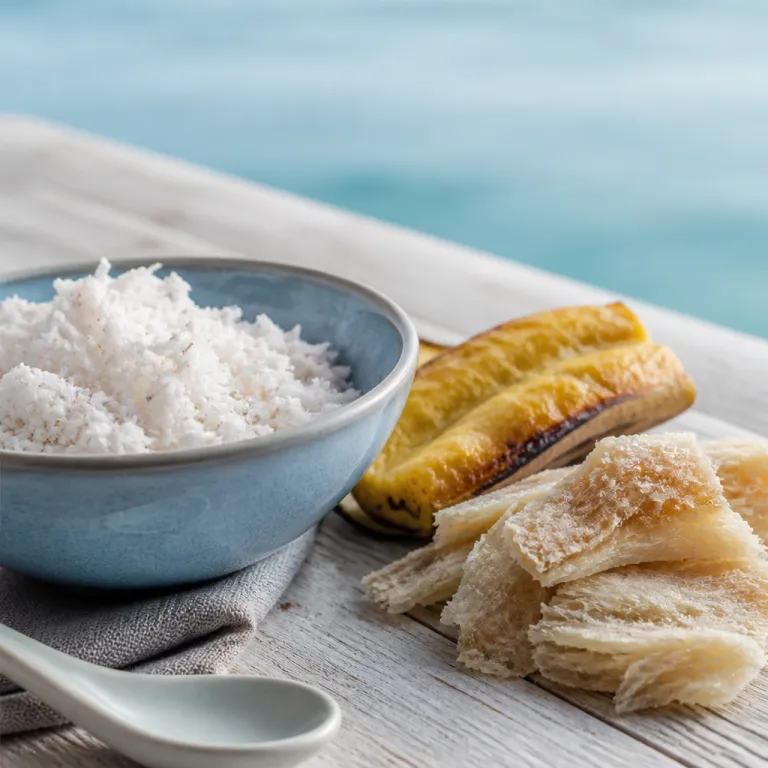
Why aruba local food what to eat matters when you choose your hotel
Aruba is an island where the question of what to eat locally should shape where you stay. When you book a hotel in Oranjestad or near Palm Beach, the distance to an excellent Aruba restaurant or cluster of local food trucks can be as important as the view from your room. If you care about traditional Aruban flavours, you should treat food Aruba options as a core part of your planning, not an afterthought.
On this southern Caribbean island, the best way to eat Aruba style is to follow where residents go for lunch and for a relaxed evening dish. Hotels close to Oranjestad Aruba or Eagle Beach often sit within walking distance of restaurants serving Aruban food that blends Dutch heritage with Caribbean seafood and Latin influences. When you compare properties, ask yourself not only what to eat at the hotel itself, but how quickly you can reach a truly local restaurant on foot or by a short taxi ride.
Many travellers arrive from a Caribbean cruise and then extend their stay in Aruba, using a hotel as a base to explore local food and the wider island. If you are in that situation, you will want easy access to both beach bars with fresh fish and inland eateries where traditional Aruban dishes simmer slowly during the day. Thinking about what to eat in Aruba in advance helps you choose a location that turns every meal into part of your perfect day rather than a rushed decision when you are already hungry.
From palm beach to oranjestad: where to eat aruba classics near your hotel
Along Palm Beach, many large resorts sit beside an energetic strip of Aruba restaurant options, ranging from casual food trucks to refined dining rooms such as The Pelican Nest or Hadicurari. Here you can plan which Aruban dishes to try each evening, alternating between grilled seafood on the sand and local food served in open air courtyards just behind the main road. If nightlife matters to you, read about how Aruba nightlife and bars shape your hotel choice before you commit to a specific property.
Oranjestad Aruba offers a different rhythm, with pastel Dutch facades hiding small restaurants where traditional Aruban dishes appear on chalkboard menus. In the capital you can eat Aruba favourites such as keshi yena and pan bati at lunch at places like The Old Fisherman or West Deck, then stroll the harbour to watch fishing boats unload fresh fish that will become the evening’s seafood specials. Staying in or near Oranjestad gives you quick access to both local food and the island’s main transport hub, which is useful if you plan day trips beyond the city.
Further along the coast, Eagle Beach is quieter, with low rise hotels and easy paths leading from your room to the sand in just a few minutes. Here, food Aruba choices lean toward relaxed beach bars, where you can order deep fried snacks as a side dish to grilled fish while watching the sunset at spots such as Passions on the Beach. Whether you choose Palm Beach, Eagle Beach or central Oranjestad, map the nearest restaurants and food trucks before booking, so that deciding what to eat in Aruba never becomes a compromise.
Signature aruban dishes every hotel guest should try
Any serious guide to local food in Aruba must start with keshi yena, the emblematic Aruban dish of melted cheese wrapped around a savoury filling. This recipe reflects the island’s Dutch roots, using Edam or Gouda cheese as both container and ingredient, then combining it with spiced meat, olives and capers for a deeply satisfying meal. When you see keshi yena on a menu in an Aruba restaurant, order it at least once during your stay, ideally on a relaxed day when you have time to savour every bite.
Another essential element of traditional Aruban food is pan bati, a slightly sweet, griddled bread that often appears as a side dish with stews or grilled seafood. You will encounter pan bati at local restaurants in Oranjestad, at beach shacks near Palm Beach and even at small food trucks parked close to Eagle Beach in the late afternoon. Many travellers say that pan bati becomes the one item they miss most when they leave the island, because it pairs perfectly with almost all Aruban dishes, from deep fried snacks to slow cooked fish.
Beyond these icons, look for hearty Aruban food such as goat stew, pumpkin pancakes and deep fried pastries filled with cheese or meat, which often appear on special boards rather than printed menus. These dishes show how the island blends Caribbean spices with Dutch comfort food, creating flavours that feel both familiar and new at the same time. When you plan your list of what to eat in Aruba for your trip, leave space in your schedule to return to the same restaurant twice, because many traditional Aruban recipes reward repeat visits.
Seafood, beaches and the rhythm of a perfect day
For many visitors, thinking about what to eat in Aruba is inseparable from the island’s beaches and daily rhythm. A perfect day might begin with a swim at Eagle Beach, followed by grilled fresh fish at a nearby Aruba restaurant where the tables almost touch the sand and the smell of lime and garlic drifts in from the open kitchen. Later, you could move toward Palm Beach for sunset cocktails and seafood platters, turning the entire coastline into your dining room.
Seafood is central to Aruba food culture, with local restaurants serving mahi mahi, wahoo and red snapper caught just off the island’s shores. Look for menus that highlight fresh fish of the day rather than long frozen lists, because this usually signals a kitchen that works closely with local fishermen. When you ask what to eat today, staff in these restaurants will often recommend a simple preparation that lets the flavour of the seafood stand on its own, perhaps with pan bati or rice as a side dish.
Even if you arrive on a southern Caribbean cruise and only stay one night in a hotel, you can still experience Aruban food at its best by planning your meals around the beach. Spend the day exploring Oranjestad, then head to a seafront restaurant where you can eat Aruba style while watching the lights of cruise ships in the distance. This combination of Caribbean water, local food and relaxed service is what turns an ordinary stopover into a memory that defines your whole trip.
Local food trucks, deep fried snacks and the real cost of eating out
Once the sun sets, the search for what to eat in Aruba often shifts from formal restaurants to lively food trucks scattered around Oranjestad and the hotel zones. These mobile kitchens serve everything from deep fried pastechi pastries to grilled seafood skewers, giving you a chance to taste Aruban food in a casual, late night setting. If your hotel is within walking distance of a known food truck cluster, such as the popular night spots near Palm Beach or in the Dakota area, you gain an easy, affordable option for a second small meal after an early dinner.
Food trucks are also where you will find some of the best value Aruba food, especially if you are travelling with family or a group. A plate of fresh fish with fries or rice, plus a side dish of salad or plantain, often costs less than a single main course in a sit down Aruba restaurant along Palm Beach. To understand how these choices affect your budget over several days, read this detailed guide on the real cost of food in Aruba when you book a hotel before finalising your plans.
During the day, many food trucks park near beaches or office areas in Oranjestad, serving local workers as well as visitors who want quick, authentic dishes. This is an excellent moment to observe how Aruban people actually eat Aruba favourites, from deep fried snacks to lighter Caribbean plates with grilled fish and vegetables. When you factor these options into your itinerary, your Aruba food experience becomes a flexible mix of restaurant meals and street style bites rather than a series of expensive, formal dinners.
Rum, cocktails and how drinks complete the aruba food experience
Any serious discussion of what to eat in Aruba for hotel guests should also consider what you drink alongside those meals. Aruba’s bars and restaurants offer a wide range of rum based cocktails, local beers and Dutch spirits that reflect the island’s mixed heritage. When you sit at a beach bar near Palm Beach or Eagle Beach, pairing a plate of seafood with a carefully made cocktail can turn a simple lunch into a perfect day memory.
Many Aruba restaurant menus now include tasting flights of Caribbean rums, sometimes matched with small bites of cheese, chocolate or deep fried snacks to highlight different flavour notes. These experiences work particularly well in Oranjestad, where historic Dutch architecture provides a refined backdrop for modern mixology and traditional Aruban food served in small portions. If you are choosing between hotels, consider whether you prefer a quiet lobby bar or easy access to independent restaurants and bars that specialise in rum and cocktail tastings.
For guests arriving from a southern Caribbean cruise, an overnight stay on the island offers time to explore both local food and the evolving bar scene at a relaxed pace. You might spend the day sampling Aruban dishes such as pan bati and keshi yena, then finish the evening with a guided rum tasting that explains how different islands influence regional styles. When food and drink are planned together, your Aruba local food journey becomes part of a complete sensory experience rather than just a checklist of dishes.
Key figures about eating local food in aruba
- Travel industry estimates from organizations such as the UN World Tourism Organization suggest that food and beverage spending often represents around one third of a visitor’s total trip budget, which means planning where and what to eat can significantly improve overall value.
- Visitor feedback collected by the Aruba Tourism Authority in its annual satisfaction surveys indicates that a clear majority of travellers report trying at least one traditional Aruban dish such as keshi yena or pan bati during their stay, showing strong interest in local food experiences.
- Data summaries from the Caribbean Tourism Organization show that repeat visitors to Aruba are more likely to stay in areas with dense restaurant clusters, such as Palm Beach and Oranjestad, highlighting the importance of walkable dining options near hotels.
- Industry reports on Caribbean cruise travel, including Cruise Lines International Association overviews, note that Aruba regularly ranks among the top southern Caribbean ports for on shore dining satisfaction, which reflects the island’s strong mix of restaurants, food trucks and beach bars.
FAQ about aruba local food what to eat near your hotel
What are the must try traditional Aruban dishes for first time visitors ?
First time visitors should prioritise keshi yena, pan bati and a local fresh fish dish prepared simply on the grill. These classics showcase the blend of Dutch and Caribbean influences that define Aruban food. You will find them in many restaurants in Oranjestad, Palm Beach and Eagle Beach, as well as at some food trucks.
Is it expensive to eat at restaurants in Aruba every day ?
Eating at sit down restaurants in Aruba every day can become costly, especially in the main hotel zones. Many travellers balance their budget by mixing restaurant meals with lunches or late night snacks from food trucks and smaller local eateries. Planning this mix in advance helps you enjoy Aruba food without overspending.
Where should I stay if I want the best access to local food ?
For the widest range of local food, Oranjestad and Palm Beach offer the highest concentration of restaurants and bars within walking distance of many hotels. Eagle Beach provides a quieter atmosphere with fewer but still high quality options, including beachside grills. Choose based on whether you value variety and nightlife or calm surroundings and shorter menus.
Can I find good vegetarian or seafood focused options in Aruba ?
Seafood focused options are abundant, with many Aruba restaurants highlighting fresh fish of the day and Caribbean style preparations. Vegetarian choices are improving, particularly in resort areas and modern bistros that adapt traditional Aruban dishes with more vegetables and grains. Always check menus online or call ahead if you have strict dietary needs.
Are food trucks in Aruba safe and suitable for hotel guests ?
Food trucks in Aruba that operate in established evening clusters or near busy streets are generally considered safe and popular with both residents and visitors. They offer deep fried snacks, grilled meats, seafood and sometimes traditional Aruban dishes at lower prices than many restaurants. Hotel guests often use them for casual dinners or second small meals after a sunset drink on the beach.
