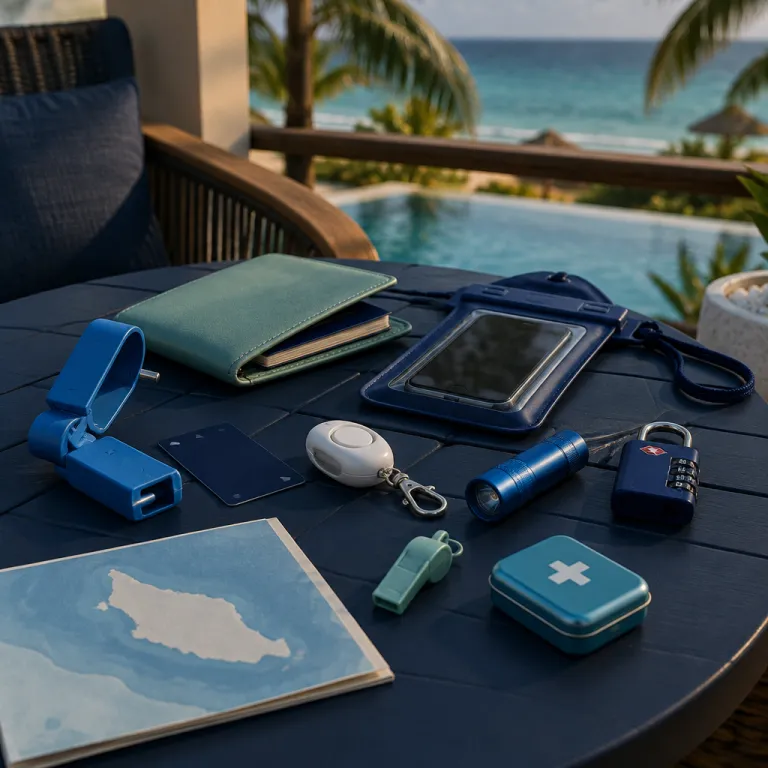
Aruba safety tips for solo travelers staying in hotels and resorts
Why Aruba feels welcoming for solo travel and hotel stays
Aruba has a reputation for being one of the Caribbean’s most welcoming islands for solo travel. You will feel that warmth from the moment your plane lands at Queen Beatrix International Airport and your passport entry is stamped. For someone planning a solo trip focused on a comfortable hotel stay, the island offers a reassuring blend of safety, convenience, and polished hospitality.
Before your trip to Aruba, review the official entry requirements on the Aruba government website (Departamento di Integracion, Maneho y Admision di Stranhero) and your own country’s travel advisories. As of 2024, these entry requirements usually include a valid passport, a completed online ED card, and sometimes proof of onward travel, so keep your documents organized in a personal folder. When you arrive, keep in mind that passport entry checks are efficient, but you should still allow enough time between landing and any prebooked car rental or hotel transfer.
Many solo travelers choose Aruba because the island is compact, easy to navigate, and English is widely spoken alongside Dutch and Papiamento. You can move between your hotel, the beach, and dining areas in a short time, which reduces stress and helps you feel safe. Aruba’s modern infrastructure, reliable taxis, and clear road signage make it simple to plan a flexible solo trip without feeling overwhelmed.
Safety in Aruba is generally strong, especially around established hotel zones such as Palm Beach and Eagle Beach. These areas have a visible security presence, well lit promenades, and plenty of people around, which is reassuring when you walk back to your room at night. According to the Aruba Police Force, most incidents involving visitors are nonviolent property crimes, so solo travelers should apply the same common sense they would in any country, such as avoiding deserted areas after dark, staying aware of their surroundings, and limiting the display of expensive personal items.
For hotel based stays, choose properties with staffed reception around the clock, secure room locks, and in room safes. Well known resorts such as the Hilton Aruba Caribbean Resort & Casino, Hyatt Regency Aruba Resort Spa and Casino, and Amsterdam Manor Beach Resort highlight 24/7 front desk teams and security patrols. A good hotel will also offer clear guidance on safe beach access, reputable car rental partners, and trusted tour operators for your day trips. When planning a trip to Aruba, read recent guest reviews that mention how safe guests felt walking to nearby food spots or using public areas alone.
Aruba safety tips for solo travelers always start with situational awareness and respect for local norms. Greet staff and other guests, ask questions, and let reception know if you plan a long time away from the property on a remote excursion. As one front desk supervisor in Palm Beach put it, “If you tell us your plans, we can quietly keep an eye out and make sure you get back safely.” This simple communication helps the hotel team support your solo travel experience while you enjoy the best of the island.
Choosing the right all inclusive hotel for a safe solo trip
All inclusive stays in Aruba can be an excellent choice for solo travelers who want structure, safety, and predictable costs. When you book an all inclusive hotel, many daily needs such as food, drinks, and some activities are handled on site, which reduces the need to carry large amounts of cash. This setup can make a solo trip feel calmer, especially if it is your first time in the country.
Look for all inclusive resorts along Palm Beach if you want a lively atmosphere with many people around at almost any time of day. Palm Beach hotels such as Barcelo Aruba and Riu Palace Aruba usually have direct beach access, supervised water sports, and organized social activities that help you meet people in a low pressure way. If you prefer quieter surroundings, some properties closer to Malmok Beach offer a more tranquil setting while still keeping solo travelers safe with attentive staff and secure grounds.
When planning a trip to Aruba with an all inclusive focus, compare what each hotel includes in its package. Some properties offer airport transfers, which simplify your entry and reduce the need to negotiate taxis right after passport entry checks. Others may include guided excursions, which can be safer for solo travel than arranging independent trips to remote parts of the island.
Food safety is a frequent concern for solo travelers, and Aruba’s established resorts generally maintain high standards. Choose hotels that highlight well managed buffets, à la carte restaurants, and clear information about ingredients, which is especially important if you have personal dietary needs. Staying in one place where you trust the food preparation can reduce the risk of illness and keep your solo trip running smoothly.
Many travelers also appreciate that dollars are accepted widely in Aruba, especially in resort zones. Even so, it is useful to understand the official currency of Aruba, the Aruban florin (AWG), because some small shops outside the hotel may price items in local currency. When you leave the resort for a day trip, carry a mix of small denomination dollars and a little local currency from Aruba to handle tips, taxis, and snacks.
If you are comparing different beach escapes, review this guide to Aruba all inclusive resorts and how to choose the right beach escape. It will help you align your solo travel style with the right hotel environment, whether you want constant activity or a more serene base. Matching your personality to the property is one of the best Aruba safety tips for solo travelers, because feeling comfortable where you sleep is the foundation of a secure trip.
Practical safety habits in and around Aruba hotels
Once you check into your Aruba hotel, a few simple routines will keep your solo trip secure. Always use the in room safe for your passport, extra cards, and most of your cash, and carry only what you need for the day. Take a photo of your passport entry page and store it in secure cloud storage, so you have a backup if your physical document is misplaced.
When you leave your room, lock doors and windows, and avoid hanging the “cleaning” sign all day if you are away for a long time. Instead, coordinate with housekeeping so they know when you will be around, which reduces unnecessary access to your personal space. In shared areas such as pools and hotel beaches, keep your bag within sight and avoid leaving phones or wallets unattended while you swim.
Aruba safety tips for solo travelers also extend to how you move between the hotel and the beach. In zones like Palm Beach, well lit boardwalks and frequent foot traffic make it easy to navigate safely, even after dinner. Around Malmok Beach, where the coastline is rockier and less commercial, plan your return before sunset and use official taxis or reputable car rental services rather than walking long distances alone at night.
Transport choices matter for solo travel, especially if you plan to explore beyond the main hotel strip. Renting a car can be a smart option because roads are generally in good condition and it is easy to navigate with basic maps or offline apps. Choose a car rental company recommended by your hotel, check insurance details carefully, and photograph the vehicle at pickup to protect your personal interests.
Social media can be both helpful and risky during a solo trip to Aruba. Share your experiences with friends, but avoid posting your exact real time location or room number, and delay uploading content from quieter beaches until you have left. Let a trusted contact at home know your general day plans, such as a visit to Malmok Beach or a sunset walk along Palm Beach, so someone always has an overview of your movements.
For a deeper look at how safe Aruba is for hotel guests, review this practical guide on safety for tourists staying in hotels and resorts. Combining that information with your own common sense will help you feel confident as a solo traveler. Aruba’s strong hospitality culture means staff are usually quick to assist if you raise any concern, so never hesitate to ask for help.
Beach safety, climate awareness, and responsible excursions
Aruba’s beaches are the highlight of many solo trips, but they require thoughtful safety habits. On Palm Beach, lifeguards at major resorts, calm waters, and nearby hotels create a controlled environment where solo travelers can relax. Even there, keep in mind basic rules such as swimming near other people, watching your drink, and knowing how to reach your hotel quickly if you feel unwell.
Malmok Beach offers a different experience, with rocky shores and excellent snorkeling that attract adventurous solo travel enthusiasts. Because the area is less commercial, plan your day carefully, bring enough water and sun protection, and avoid entering the water alone if currents seem strong. Inform your hotel reception of your plans, especially if you will be away from the main resort corridor for a long time.
Climate change is gradually affecting weather patterns across the Caribbean, including Aruba. While the island lies outside the main hurricane belt and enjoys relatively stable conditions, heat and UV levels can be intense during the day. According to the Royal Netherlands Meteorological Institute (KNMI), Aruba’s average annual temperature is around 28 degrees Celsius, so solo travelers should schedule outdoor activities for earlier in the morning or late afternoon, wear reef safe sunscreen, and take regular shade breaks to protect their health.
Hydration is another essential part of Aruba safety tips for solo travelers. Tap water in Aruba is generally safe to drink, thanks to modern desalination facilities operated under government oversight, so you can refill a reusable bottle at your hotel instead of buying plastic. This habit supports your personal well being and reduces environmental impact, which is especially relevant as climate change pressures local ecosystems.
When booking excursions, choose operators that prioritize safety briefings, well maintained equipment, and small group sizes. Your hotel concierge can recommend vetted partners for snorkeling, sailing, or off road tours, which is safer than responding to unlicensed offers on the beach. Always check whether your travel insurance covers these activities, and keep a digital copy of your policy accessible on your phone.
Responsible behavior on the beach also means respecting local rules and natural habitats. Avoid walking on fragile coral, keep a respectful distance from wildlife, and never leave trash behind, even if you only spent a short time at a cove. By treating the island with care, solo travelers help ensure that Aruba remains a safe and beautiful destination for future visitors.
Money, documents, and digital safety for solo travelers
Managing money and documents wisely is central to Aruba safety tips for solo travelers. The official currency of Aruba is the Aruban florin, but United States dollars are accepted widely in hotels, restaurants, and many shops. Even so, carrying a small amount of local currency from Aruba can be useful for buses, small cafés, or tipping staff who provide excellent service.
Before your trip to Aruba, notify your bank of your travel dates and expected card usage. This simple step reduces the risk of blocked transactions and allows you to monitor your accounts for suspicious activity during your solo trip. Use ATMs located inside banks or reputable hotels, and withdraw moderate amounts rather than large sums that you must carry for a long time.
Keep your passport, spare cards, and emergency cash in your hotel safe, and carry a photocopy of your passport entry page when you go out. Many solo travelers also store encrypted digital copies of key documents in secure cloud services, which can be accessed from any device if needed. When you move between the beach, restaurants, and your room, use a small crossbody bag that stays close to your body and is difficult to snatch.
Digital safety matters as much as physical security during solo travel. Avoid logging into banking apps or sensitive accounts on public Wi Fi networks, and consider using a reputable Virtual Private Network for extra protection. Be cautious about sharing your exact hotel name and room number on social media, even in private groups, because information can spread quickly beyond your intended audience.
Aruba’s extensive hospitality scene means many hotels offer free Wi Fi, but not all networks are equally secure. Ask reception whether there is a protected network for guests and change your passwords after the trip if you used multiple public connections. These small habits help protect your personal data while you enjoy your time on the island.
When paying for food, excursions, or car rental services, check receipts carefully before signing. If a bill is in the local currency of Aruba but you are paying in dollars, confirm the exchange rate to avoid misunderstandings. Clear communication about currency and charges is one of the best ways for solo travelers to maintain control over their budget and feel safe financially.
Social connection, hotel choice, and long term confidence in Aruba
Solo travel in Aruba does not mean spending your entire trip alone. Many hotels organize group activities such as yoga classes, guided walks, or themed dinners, which offer relaxed ways to meet people without pressure. Joining these events can enhance your sense of safety, because staff and fellow travelers become familiar faces around the property.
When choosing where to stay, consider whether you prefer a large resort with many amenities or a smaller hotel with a more intimate feel. Large properties along Palm Beach often provide extensive security, multiple dining options, and structured entertainment, which can be reassuring for first time solo travelers. Smaller hotels elsewhere on the island may offer more personal attention from staff, who quickly learn your name and routines, which also contributes to feeling safe.
If you are traveling with extended family on another occasion, you might find this guide to family friendly resorts in Aruba useful. Understanding how different properties cater to various guest profiles will help you refine your preferences even for a solo trip. Over time, you may return to the same hotel because the familiarity itself becomes a safety asset.
Aruba safety tips for solo travelers also include listening to your instincts. If a situation, person, or place feels uncomfortable, step back, return to your hotel, or seek help from staff without hesitation. The island’s tourism professionals are used to supporting guests and will take your concerns seriously.
Many people who visit Aruba once for a solo trip return again and again. They appreciate that the island is easy to navigate, that dollars are accepted widely, and that the overall atmosphere is relaxed yet organized. This long term loyalty from travelers is one of the strongest indicators that Aruba remains a safe and rewarding destination.
As you refine your planning trip checklist, balance practical matters such as entry requirements, hotel security, and transport with space for spontaneity. Leave room in your schedule for unplanned walks along the beach, quiet reading time by the pool, or a last minute dinner with new friends you meet during your stay. With thoughtful preparation and respect for local guidelines, your solo travel experience in Aruba will feel both secure and deeply enjoyable.
Key statistics on Aruba tourism and safety
- Aruba receives more than one million stay over visitors annually, with a significant share coming from North America, which supports extensive English language services and familiar payment options for solo travelers (Aruba Tourism Authority, 2023).
- Tourism accounts for over 70 percent of Aruba’s gross domestic product, which incentivizes the country to maintain strong safety standards in hotel zones and beach areas (World Travel and Tourism Council, 2022).
- Aruba’s average annual temperature is around 28 degrees Celsius, with relatively low rainfall compared with many Caribbean islands, which allows solo travelers to plan outdoor activities with fewer weather disruptions (Royal Netherlands Meteorological Institute).
- The island lies south of the main Atlantic hurricane belt, reducing the likelihood of direct hurricane impacts compared with many other Caribbean destinations, though climate change still influences regional weather patterns (National Oceanic and Atmospheric Administration).
- For emergencies in Aruba, travelers can dial 911 for police, ambulance, or fire services, and tourist police patrol the main hotel districts to assist visitors with safety concerns (Aruba Police Force).
FAQ about Aruba safety tips for solo travelers
Is Aruba safe for solo travelers staying in hotels
Aruba is widely regarded as one of the safer Caribbean destinations, especially in established hotel zones such as Palm Beach and Eagle Beach. Most incidents affecting tourists are minor, such as petty theft, and can usually be avoided by using hotel safes, locking doors, and staying in well populated areas at night. Solo travelers who follow standard precautions typically report feeling comfortable and secure throughout their trip.
What should I know about entry requirements and passport rules
Most visitors need a valid passport and a completed online ED card to enter Aruba, and some nationalities may require additional documentation such as visas or proof of onward travel. Your passport should be valid for the duration of your stay, though some airlines prefer at least six months of validity, so check before booking. Always confirm current entry requirements with official Aruba government sources and your own country’s foreign affairs website before your trip.
Is it safe to walk alone at night around Aruba’s beaches
Walking alone at night is generally safest in busy areas such as the Palm Beach boardwalk, where hotels, restaurants, and shops keep the area active and well lit. Less developed stretches, including some parts near Malmok Beach, are better visited during daylight or with a group or guided tour. Wherever you stay, ask your hotel staff which routes they recommend after dark and follow their local advice.
Can I drink the tap water and eat street food safely
Tap water in Aruba is considered safe to drink because it comes from modern desalination plants that meet international standards. Food served in established hotels and reputable restaurants is usually prepared under good hygiene conditions, and most travelers eat widely without issues. When trying street food, choose busy stalls with high turnover, observe cleanliness, and start with small portions if you have a sensitive stomach.
Do I need a car rental as a solo traveler in Aruba
A car rental is not essential if you plan to stay mainly in one hotel zone, because taxis and some buses can cover short distances easily. However, renting a car can be very convenient if you want to explore beaches like Malmok Beach, the north coast, or Arikok National Park at your own pace. Solo travelers who rent a car should use reputable companies, check insurance coverage, and avoid off road driving without proper vehicles and guidance.