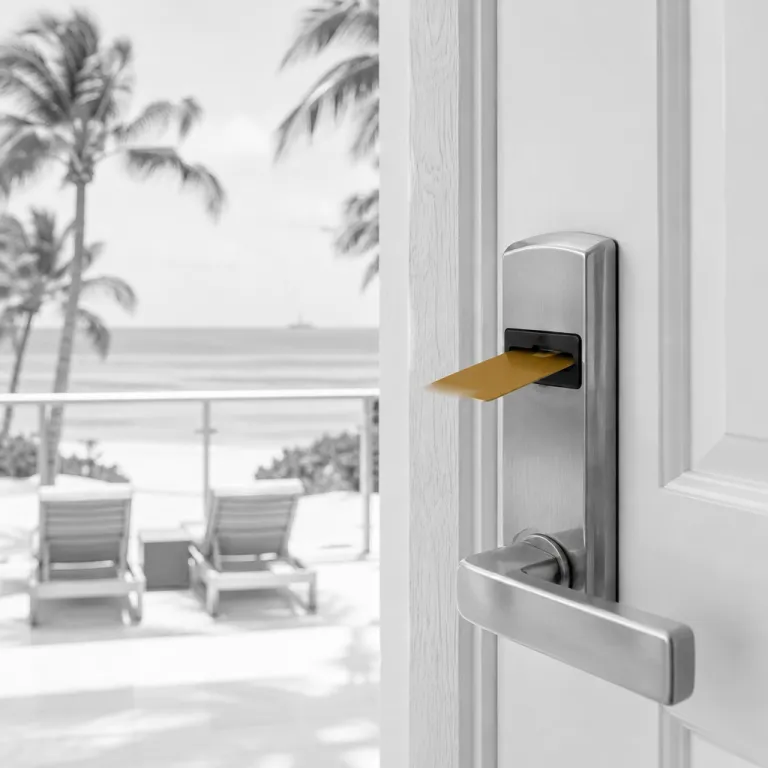
Why Palm Beach is the elegant heart of Aruba travel
Palm Beach sits on the northwest coast of Aruba and feels purpose built for a refined Caribbean vacation. This stretch of white sand offers calm water, sweeping sunset views, and a concentration of beachfront hotels that make planning an Aruba vacation remarkably simple. For travelers comparing beaches across the island, Palm Beach consistently ranks among the best places to stay for convenience, dining, and nightlife.
The island lies just outside the main hurricane belt, which gives Aruba a reputation for reliable sunshine and steady trade winds year round. That climate advantage matters when you plan an important trip and want every day to count, especially if you are choosing between several Caribbean destinations. Many repeat guests say this “happy island” feels like a safe bet for a first visit and an easy return choice when they plan future vacations.
From Palm Beach you can easily explore Aruba by public bus, taxi, or rental car during your stay. Oranjestad, the capital, sits only a short drive away and offers pastel Dutch façades, harbor views, and duty free shopping that pairs well with a relaxed afternoon in town. If you prefer quieter beaches, Eagle Beach and its famous fofoti trees are minutes away, so you can enjoy different sides of the island without changing hotels.
How to choose Palm Beach beachfront hotels for your Aruba vacation
Selecting the best hotels on Palm Beach starts with clarifying what you value most during your Aruba trip. Some travelers want direct beach access and uninterrupted sea views, while others prioritize quieter rooms, generous pool decks, or easy access to local dining. Because the area is compact, you can walk between many hotels, restaurants, and things to do in a single afternoon.
When you compare hotels along this beach, pay attention to how each property uses its stretch of white sand. Wider sections of Palm Beach feel less crowded during peak day hours, which can transform your trip if you value calm and space. Look for clear information about beach chair policies, shade availability, and water sports, because these details shape your daily rhythm from breakfast to sunset.
To make the options more concrete, consider a few examples along the strip. Budget conscious guests often look at simple high rise properties or nearby low rise hotels where standard rooms can start around US$160–220 per night in shoulder season. Midrange beachfront resorts typically price double rooms with partial ocean views from roughly US$260–350, while luxury hotels and all inclusive stays on prime sections of Palm Beach can run from about US$450–700 per night for oceanfront categories, depending on season and promotions. Typical driving time from Queen Beatrix International Airport to Palm Beach hotels is about 20–25 minutes over a distance of roughly 10 kilometres via the main L.G. Smith Boulevard coastal road.
Beachfront experiences on Palm Beach: from sunrise swims to sunset dining
Staying directly on Palm Beach means the sea becomes part of your daily routine from the first day. Early risers can swim in clear water before breakfast, when the beach is quiet and the light is soft over the island. Later, the scene shifts as guests from nearby hotels arrive, water sports begin, and the boardwalk fills with people planning their afternoon.
Many of the best hotels here frame their pools and terraces to maximize the view, so you can alternate between freshwater and saltwater without losing sight of the Caribbean horizon. Poolside service often extends to the sand, which makes it easy to linger over a long day lunch while your feet rest in the white sand. As the sun lowers, Palm Beach becomes one of the most memorable parts of an Aruba getaway, with catamarans gliding past and the sky turning shades of orange and pink.
If you enjoy elevated dining, consider reserving a table at one of the waterfront restaurants that line the Palm Beach boardwalk. These venues specialize in fresh seafood, grilled meats, and international menus that reflect both local tastes and global influences. Guests who want to evaluate whether a premium all inclusive option suits their trip can review detailed coverage such as the Riu Palace Aruba Elite Club review, which explains how upgraded services change the feel of a Palm Beach stay.
Beyond Palm Beach: day trips, national park adventures, and things to learn
While Palm Beach is ideal for a relaxed Aruba vacation, the island rewards travelers who venture beyond the resort strip. A jeep safari into Arikok National Park reveals a starkly beautiful landscape of cacti, limestone cliffs, and hidden coves that contrast sharply with the polished beaches. On these guided trips you learn about endemic plants, historic cave drawings, and the way trade winds have shaped the island over time.
Arikok National Park covers roughly one fifth of Aruba, and it protects both rugged coastline and fragile desert ecosystems. Many visitors say a day exploring this national park becomes one of the best things they do during their stay, precisely because it feels so different from Palm Beach. If you prefer to drive yourself instead of joining a jeep safari group, consider renting a high clearance vehicle and checking park conditions in advance.
Other rewarding day excursions include snorkeling at Mangel Halto, visiting the California Lighthouse for a sweeping island view, or spending an afternoon in Oranjestad to explore museums and local shops. Each of these trips adds depth to your understanding of the happy island beyond its famous beaches. By alternating active days with slower beach days, you create a balanced trip that feels both restorative and memorable.
Culture, art, and local life from Palm Beach to San Nicolas
To appreciate Aruba beyond its resorts, set aside time to visit San Nicolas on the southern side of the island. Once a refinery town, it has evolved into a vibrant street art district that contrasts with the polished feel of Palm Beach. Colorful murals, small galleries, and local cafés give you a different view of daily life far from the main beaches.
Travelers interested in culture can plan an Aruba itinerary that pairs Palm Beach relaxation with a San Nicolas art weekend. A helpful starting point is this guide to building a San Nicolas art weekend into your stay, which explains how to time your visit around events and exhibitions. Spending a day there, followed by an easy drive back to your hotel, shows how compact the island is and how many things Aruba offers beyond the shoreline.
Back near Palm Beach and Oranjestad, you can continue to learn about local history through visits to the National Archaeological Museum or the Fort Zoutman Historical Museum. Pair these cultural stops with relaxed afternoon dining at neighborhood restaurants that serve Aruban, Dutch, and Caribbean dishes. This balance between beach time and cultural exploration often turns a simple vacation into a richer trip that you remember long after you leave.
Planning your Aruba travel: timing, logistics, and choosing the right stay
One of the practical advantages of Aruba travel is the island’s position just outside the main hurricane belt. This geography supports tourism year round, with relatively stable temperatures, low rainfall, and consistent trade winds that keep the beaches comfortable. For many visitors, that reliability simplifies planning because almost any time of year can work for an Aruba vacation.
When you decide when to visit Aruba, consider both weather and crowd levels. Peak periods bring more energy to Palm Beach and Eagle Beach, along with higher hotel rates and busier restaurants, while shoulder seasons often offer better value and more space on the sand. If you prefer quiet mornings and shorter waits for dining, those transitional months can be an excellent time for your trip.
As you compare hotels, focus on how each option supports the way you like to spend your day. Some travelers want easy access to water sports, others prioritize spa facilities, and some care most about quick transfers between the airport, Oranjestad, and Palm Beach. By aligning your choice of hotel with your preferred pace, you turn a simple stay on a beautiful beach into a thoughtfully designed Aruba travel experience.
Key figures for planning an Aruba travel stay on Palm Beach
- Aruba sits about 25 kilometres north of the Venezuelan coast, which places the island at the southern edge of the Caribbean and outside the main hurricane belt according to regional meteorological data.
- Arikok National Park covers roughly 20 percent of Aruba’s land area, based on figures from Aruba’s national park authority, making it one of the most significant protected landscapes in the southern Caribbean.
- Average daytime temperatures in Aruba hover around 28–32 °C year round, according to the Aruba Tourism Authority, which supports consistent beach conditions for Palm Beach and Eagle Beach throughout the calendar.
- Tourism accounts for more than 80 percent of Aruba’s gross domestic product, as reported by the World Travel & Tourism Council, underscoring how central visitors are to the island’s economy and service standards.
- Typical driving time from Palm Beach to San Nicolas is about 35–40 minutes over a distance of roughly 30 kilometres, which makes cultural day trips from the main hotel area logistically simple.
FAQ about Aruba travel and Palm Beach hotels
Is Palm Beach or Eagle Beach better for a first Aruba vacation ?
Palm Beach suits travelers who want many hotels, restaurants, and activities within walking distance, while Eagle Beach appeals to guests who prefer a quieter, more open shoreline. Both beaches share the same calm Caribbean water and soft white sand, so the choice depends on whether you value energy or tranquility. Many visitors split their trip between the two areas to experience both atmospheres.
Do I need to worry about hurricanes when I visit Aruba ?
Aruba lies south of the main Atlantic hurricane belt, so direct hits are rare compared with many Caribbean islands. The island can still experience occasional heavy rain or wind from distant systems, but widespread disruptions are uncommon. This geography is one reason Aruba travel is popular for year round beach vacations.
How many days should I plan for a Palm Beach stay ?
A stay of five to seven days allows enough time to enjoy Palm Beach, visit Oranjestad, and take at least one day trip to Arikok National Park or San Nicolas. Shorter trips of three to four days work if you mainly want beach time and nearby dining. Longer visits give you space to alternate active excursions with slower days on the sand.
Is it easy to explore Aruba without renting a car ?
Staying on Palm Beach or near Oranjestad makes it possible to rely on taxis, public buses, and organized tours. You can reach many beaches, shopping areas, and attractions without driving, especially if you join a jeep safari for the national park. Renting a car, however, offers more flexibility for spontaneous stops and evening dining in less central neighborhoods.
What should I know about swimming conditions on Palm Beach ?
Palm Beach is known for gentle waves, clear water, and a gradual slope, which makes it comfortable for most swimmers. Trade winds can create small chop in the afternoon, but mornings are usually calm and ideal for relaxed swims. Always follow local safety advice, watch for designated swimming zones, and pay attention to any posted flags or guidance from your hotel.
Sources
- Aruba Tourism Authority – official visitor information and climate statistics
- World Travel & Tourism Council – country economic impact reports for Aruba
- Arikok National Park Foundation – park area, conservation data, and visitor guidance